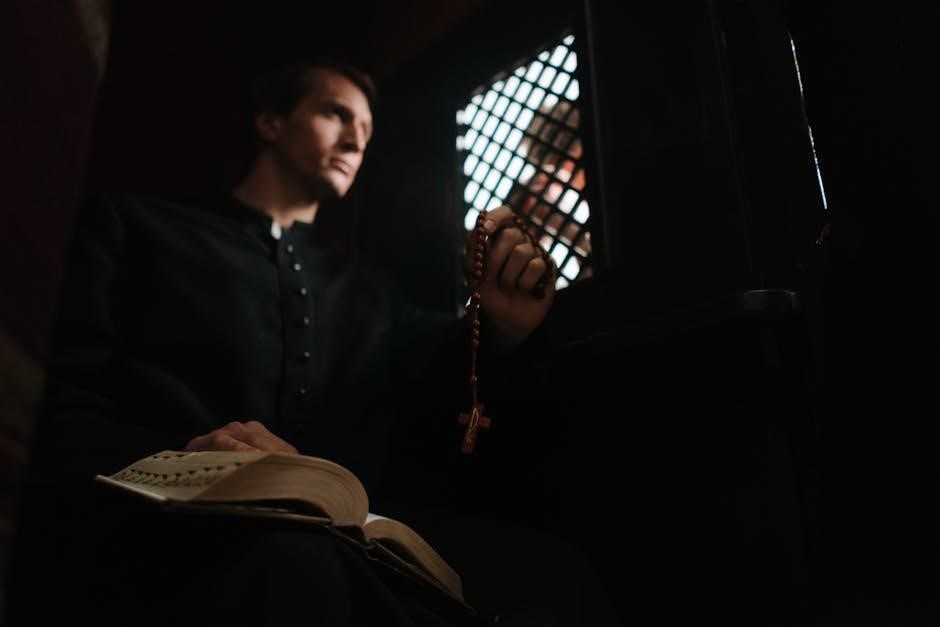
Catholic Confession Guide Printable: An Overview
Resident Evil titles on Nintendo Switch offer a pathway to revisit classic horror, alongside newer installments, providing accessible spiritual preparation resources.
Understanding the Sacrament of Reconciliation
The Nintendo Switch, embracing titles like Resident Evil, surprisingly mirrors the introspective nature of the Sacrament of Reconciliation. This sacrament isn’t merely about admitting wrongdoing; it’s a transformative encounter with God’s mercy. Just as players navigate terrifying scenarios in Resident Evil, individuals confront their moral failings during confession.
It’s a healing process, offering absolution and a renewed spiritual life. The availability of Resident Evil on a portable console encourages revisiting challenges, much like confession invites repeated self-examination. Understanding this sacrament is crucial for Catholics, offering a path to forgiveness and a stronger relationship with God, echoing the survival aspect of the game.
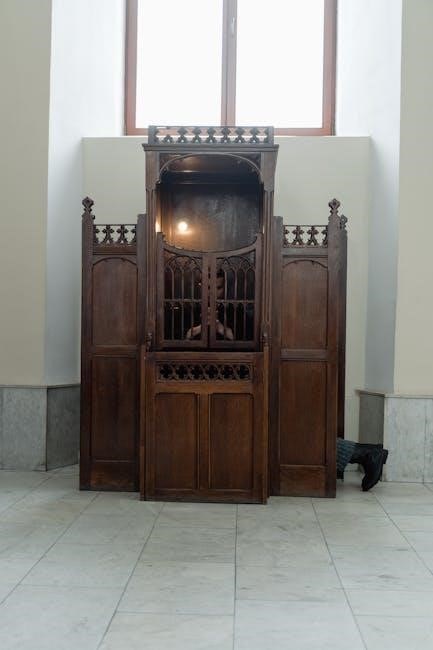
Preparing for Confession
Resident Evil’s immersive gameplay demands preparation; similarly, confession requires thoughtful self-reflection and honest assessment of one’s actions before approaching the sacrament.
Examining Your Conscience
Resident Evil remakes, like revisiting the original, encourage detailed exploration to uncover hidden dangers – mirroring the need for a thorough examination of conscience before confession. This involves honestly reflecting on our thoughts, words, and actions in light of God’s law and the Ten Commandments.
Consider areas where you may have fallen short, acknowledging both major failings and smaller, everyday offenses. Printable examination of conscience guides can be incredibly helpful, prompting reflection on specific virtues and vices.
Ask yourself: Have I loved God and my neighbor as I should? Have I been truthful, respectful, and just? This honest self-assessment prepares the heart for receiving God’s forgiveness.
The Act of Contrition
Resident Evil’s survival hinges on acknowledging vulnerability and seeking solutions – akin to the Act of Contrition, a sincere expression of sorrow for our sins. This prayer isn’t merely reciting words, but a heartfelt turning away from sin and towards God.
A traditional Act of Contrition expresses perfect contrition, desiring forgiveness not out of fear of punishment, but because we offend God, who is infinitely good. Printable versions offer convenient access to this powerful prayer.
It’s a moment of profound humility, recognizing our need for God’s mercy and resolving to avoid sin in the future.

During Confession: What to Expect
Resident Evil’s immersive gameplay mirrors confession’s intensity; prepare to honestly confront your failings, seeking guidance and absolution for spiritual renewal.
Entering the Confessional
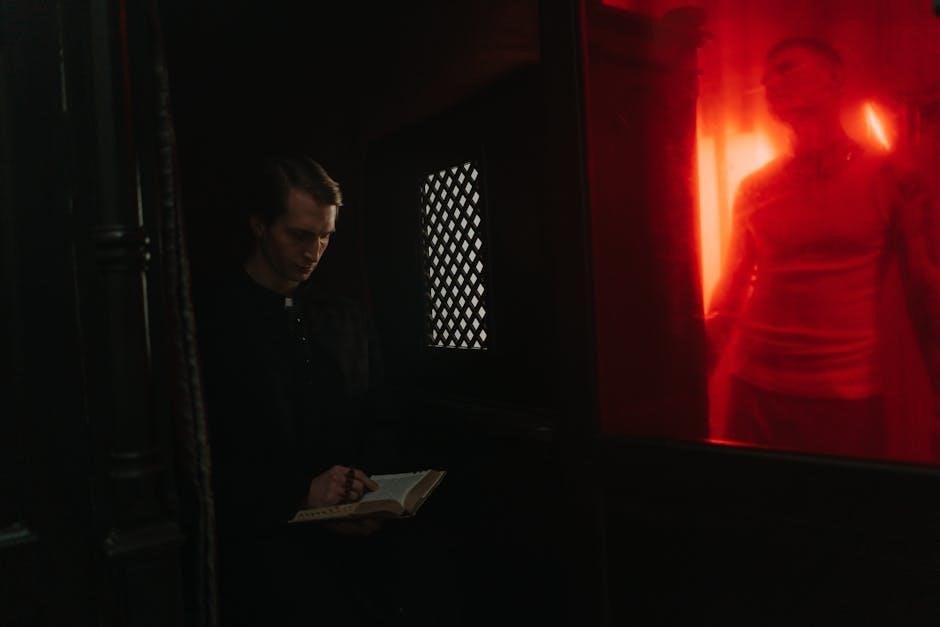
Resident Evil’s initial steps into a haunted mansion parallel entering the confessional – a space for vulnerability and confronting inner darkness. Approach with reverence, kneeling as a sign of humility before God’s mercy. The confessional booth provides anonymity, encouraging openness. Remember, the priest acts as a conduit for God’s grace, bound by the seal of confession, ensuring absolute confidentiality. Take a moment to compose yourself, focusing on the gravity of the sacrament and your desire for reconciliation. This deliberate act prepares your heart to honestly acknowledge your sins, mirroring the careful exploration needed to survive the horrors within Resident Evil’s world;
Confessing Your Sins
Resident Evil’s detailed inventory of horrors mirrors the thoroughness needed when confessing sins. Begin by stating the number of sins, then honestly and completely articulate each one. Avoid vague generalities; be specific about your actions and motivations. Acknowledge the harm caused to yourself, others, and your relationship with God. Remember, God already knows your failings; confession is about acknowledging them and seeking His forgiveness. Like navigating a treacherous game environment, honesty is crucial. Don’t minimize or excuse your actions, but present them with humility and a sincere desire for amendment, embracing the path to spiritual survival.
The Priest’s Counsel and Penance
Resident Evil’s strategic resource management parallels the guidance offered by the priest. After confessing, the priest may offer counsel – spiritual advice tailored to your struggles, much like finding helpful items in the game. He will then assign a penance, a prayer, act of charity, or sacrifice intended to repair the damage caused by your sins and strengthen your resolve. Embrace this penance as a challenge, a step towards spiritual healing. Completing it demonstrates your commitment to change, mirroring overcoming obstacles in the game to achieve a positive outcome.
The Absolution and After Confession
Resident Evil’s completion mirrors absolution; finishing penance solidifies reconciliation, offering peace and a renewed spirit, like surviving the horror.
Receiving Absolution
Resident Evil’s narrative often culminates in a moment of overcoming ultimate evil, akin to receiving absolution during confession. The priest, acting in persona Christi, pronounces the words of absolution, forgiving your sins through God’s mercy. This isn’t simply a feeling, but a real, sacramental forgiveness. Listen attentively to the priest’s words, acknowledging God’s grace washing over you.
Embrace this moment of peace and renewal. It’s a tangible sign of God’s unconditional love and a fresh start. Just as surviving a Resident Evil game offers relief, absolution offers spiritual liberation. Allow the weight of your confessed sins to lift, replaced by hope and a strengthened faith.
Performing Your Penance
Resident Evil characters often face further challenges after defeating a major threat, mirroring the post-confession penance. The priest assigns a penance – prayers, acts of charity, or self-denial – as a healing step and reparation for your sins. This isn’t a punishment, but a way to grow closer to God and demonstrate genuine sorrow.
Embrace your penance willingly and complete it promptly. It’s a concrete expression of your commitment to change and a tangible sign of your renewed faith. Just as completing objectives in Resident Evil brings progress, fulfilling your penance brings spiritual growth and strengthens your resolve.
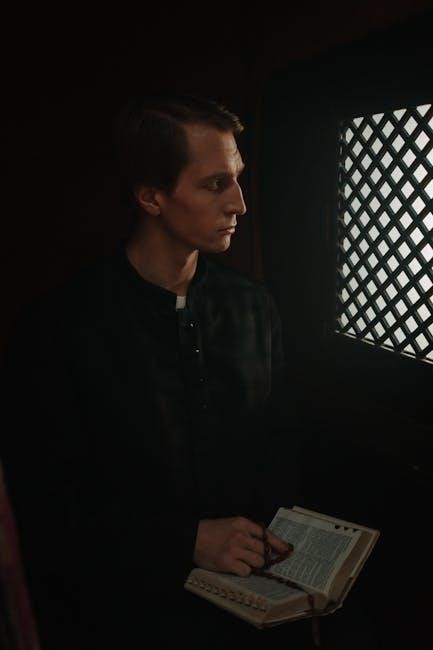
Common Questions About Confession
Resident Evil’s enduring popularity sparks frequent inquiries; similarly, common questions about confession arise, seeking clarity on frequency and necessary sin disclosure.
Frequency of Confession
Resident Evil remakes and bundles continually emerge, mirroring the Catholic Church’s consistent offering of Reconciliation. While not mandatory after every encounter with temptation – like surviving a horror game – frequent confession is strongly encouraged. Catholics are obliged to confess mortal sins at least once a year. However, regular confession, even of venial sins, fosters spiritual growth and deepens one’s relationship with God.
Just as revisiting Resident Evil titles enhances appreciation, frequent confession cultivates a more sensitive conscience and provides grace to avoid future failings. It’s a valuable practice for maintaining a healthy spiritual life, offering ongoing renewal and peace.
What Sins Must Be Confessed?
Resident Evil games demand confronting terrifying enemies; similarly, confession requires acknowledging our failings. Catholics must confess all mortal sins – those committed with full knowledge and deliberate consent – which separate us from God’s grace. Venial sins, while less grave, also benefit from confession, weakening our spiritual strength like repeated minor injuries in a game.
Omitting unconfessed mortal sins hinders spiritual progress. Honest self-reflection, akin to exploring every corner of a Resident Evil mansion, is crucial. Confession isn’t merely listing acts, but acknowledging the root causes and desiring amendment.
Printable Resources for Confession
Resident Evil’s downloadable content parallels printable guides; both enhance the experience, offering tools for navigating challenges and achieving spiritual readiness.
Printable Examination of Conscience
Resident Evil games demand careful assessment of surroundings and past actions to survive – mirroring the Catholic practice of examining one’s conscience before confession. A printable examination of conscience serves as a structured guide, prompting reflection on thoughts, words, and deeds in light of God’s commandments.
These resources, much like accessing classic Resident Evil titles on Nintendo Switch, provide readily available tools for self-assessment. Printable guides often categorize sins based on the Ten Commandments, offering specific questions to aid introspection. Utilizing such a guide fosters a more thorough and honest preparation for the Sacrament of Reconciliation, leading to a more fruitful confession and spiritual renewal.
Printable Act of Contrition
Resident Evil’s immersive horror often evokes feelings of regret and a desire for redemption – paralleling the Catholic Act of Contrition. A printable Act of Contrition provides a formalized prayer expressing sorrow for sins and a firm purpose of amendment. This prayer, like discovering a hidden safe room in a Resident Evil game, offers solace and a path forward.
Having a readily available, printable version ensures accessibility during preparation for confession; It reinforces genuine remorse and commitment to avoiding future sin. Different versions exist, catering to varying devotional preferences, but all share the core elements of sorrow, purpose of amendment, and trust in God’s mercy.

Confession for Children

Resident Evil’s accessibility on Switch mirrors simplified confession guides for children, easing their understanding of repentance and God’s forgiveness.
Preparing Children for Their First Confession
Resident Evil’s diverse gameplay, from exploration to puzzle-solving, parallels the multi-faceted preparation needed for a child’s First Confession. Just as players learn game mechanics, children require guidance understanding sin and God’s mercy. Printable examination of conscience resources, tailored to their age, are crucial.
Parents and catechists should explain the sacrament’s purpose in simple terms, emphasizing God’s loving forgiveness. Role-playing scenarios can help children practice confessing their actions. Like mastering a Resident Evil challenge, preparation builds confidence. A printable Act of Contrition provides a tangible expression of sorrow, fostering a genuine desire for reconciliation. This careful preparation ensures a positive and meaningful First Confession experience.
Age-Appropriate Examination of Conscience
Similar to navigating the complex environments in Resident Evil, a child’s examination of conscience requires a tailored approach. Younger children benefit from focusing on actions – did they hurt someone’s feelings, disobey their parents, or tell a lie? Printable guides should use simple language and relatable scenarios.
Older children can reflect on thoughts and intentions, understanding the gravity of their choices. Questions should prompt self-reflection without overwhelming them. Just as Resident Evil presents escalating challenges, the examination should grow in complexity with age. Resources emphasizing God’s love and forgiveness are vital, fostering a sense of hope and encouraging honest self-assessment.

Understanding Mortal and Venial Sins
Resident Evil’s survival hinges on recognizing threats; similarly, understanding sin’s gravity – mortal versus venial – is crucial for spiritual well-being and confession.
Defining Mortal Sin
Resident Evil games often feature irreversible consequences for critical failures, mirroring the gravity of mortal sin in the Catholic faith. A mortal sin requires three conditions to be met: the act must be gravely evil, committed with full knowledge, and deliberate consent. These sins sever our relationship with God, necessitating absolution through the Sacrament of Reconciliation. Examples include serious violations of God’s law, like murder, adultery, or intentional blasphemy. Unlike lesser offenses, mortal sins demand confession to restore grace and avoid eternal separation from God. Recognizing these severe transgressions is vital for a thorough examination of conscience and sincere repentance, preparing the soul for healing.
Defining Venial Sin
Resident Evil’s resource management and minor setbacks represent venial sins – imperfections that weaken, but don’t break, our relationship with God. Venial sins are less serious offenses, falling short of grave matter, lacking full knowledge, or lacking complete consent. These actions diminish spiritual health but don’t cause complete separation from divine grace. Examples include small lies, impatience, or neglecting prayer. While confession isn’t strictly required for venial sins, it’s a beneficial practice for spiritual growth and purification. They can be remitted through acts of penance, prayer, and charitable works, fostering ongoing conversion and a deeper connection with faith.

The History of Confession in the Catholic Church
Resident Evil’s evolving gameplay mirrors confession’s historical development, from early public penance to the private, modern confessional for spiritual renewal.
Early Forms of Reconciliation
Resident Evil’s initial survival horror experiences, much like early Christian practices, focused on public acknowledgement of failings. Early reconciliation involved public penance performed by sinners before the entire community, seeking forgiveness and readmission into the Church. This mirrored the intense, exposed vulnerability of facing terrifying creatures in the game.
Over time, as the Church grew, this public practice evolved. Private confession began to emerge, offering a more personal and discreet path to absolution. This shift, similar to Resident Evil’s progression through various installments, reflected a growing emphasis on individual conscience and the direct relationship between the penitent and God. These early forms laid the groundwork for the structured sacrament we know today.
Development of the Modern Confessional
Resident Evil’s remakes, like the evolution of the confessional, demonstrate a refinement of existing structures. The modern confessional, with its privacy and symbolic separation, developed gradually, influenced by theological shifts and societal norms. Initially, priests heard confessions in open spaces, but concerns for privacy led to the introduction of screens and enclosed booths.
This development, mirroring the enhanced HD experience of Resident Evil, aimed to foster greater openness and honesty. The confessional’s design emphasizes anonymity and encourages a focused encounter between the penitent and God, mediated by the priest. This structure provides a safe space for acknowledging sins and receiving guidance, much like navigating a terrifying game environment.
No Responses