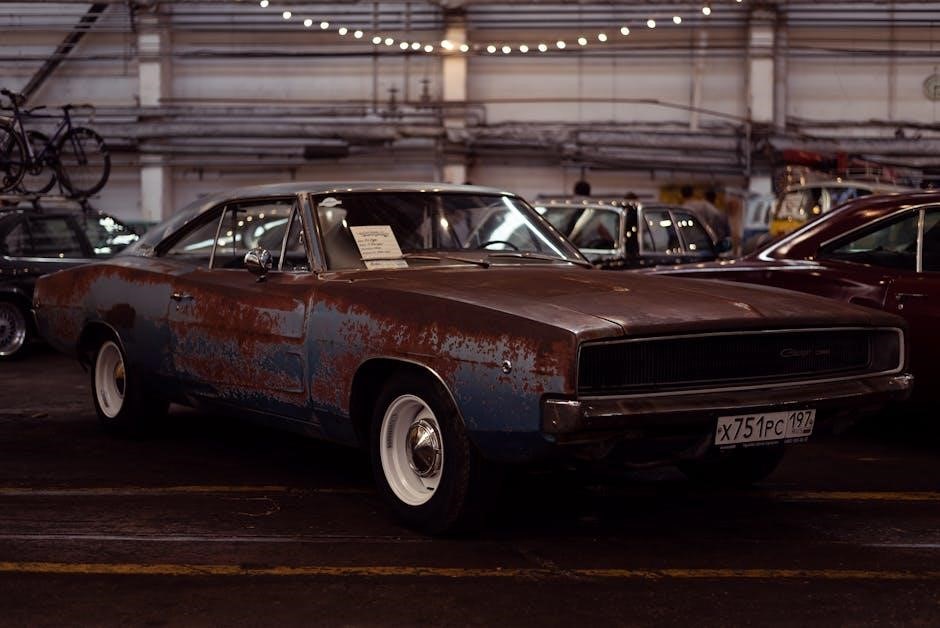
The Dodge Charger with a six-speed manual transmission is a highly sought-after muscle car, offering a unique driving experience and a connection to automotive history;
Historical Significance of Manual Chargers
The availability of a manual transmission in the Dodge Charger represents a significant link to the golden age of muscle cars, when driver engagement was paramount. While automatics gained popularity, enthusiasts consistently requested a stick shift option. The initial introduction of the BorgWarner T-56 in the 1992 Dodge Viper, paired with its potent V10, demonstrated the transmission’s capability.
This legacy carried over to the Charger, offering a raw and connected driving experience largely absent in modern vehicles. The Charger’s manual option became a symbol of driver control and a nod to automotive purists. Reader polls consistently show strong demand for manual transmissions in models like the Charger, highlighting its enduring appeal and historical importance within the muscle car community.
Why the 6-Speed Manual is Desirable
The six-speed manual transmission transforms the Dodge Charger into a truly driver-focused machine, offering a level of control and engagement unmatched by automatic counterparts. This configuration allows for precise gear selection, maximizing power delivery and enhancing the overall driving experience. Enthusiasts appreciate the ability to dictate when and how power is applied, fostering a deeper connection with the vehicle.
Beyond control, the manual transmission contributes to a more visceral and rewarding feel. It allows drivers to fully exploit the Charger’s potent engine, resulting in quicker acceleration and a more dynamic driving experience. The demand for manual options, as evidenced by reader requests, underscores its desirability among those seeking a truly engaging and authentic muscle car experience.

The Transmission: BorgWarner T-56
The BorgWarner T-56 six-speed manual transmission is a legendary component, initially appearing in the 1992 Dodge Viper and becoming synonymous with performance.
Origins of the T-56 Transmission
The T-56’s story begins with a need for a robust manual transmission capable of handling significant power. BorgWarner answered the call, initially developing it for the groundbreaking 1992 Dodge Viper and its potent V10 engine. This wasn’t simply a modification of an existing gearbox; it was a clean-sheet design intended to withstand the stresses of a high-performance application.
Prior to the T-56, finding a manual transmission that could reliably handle the Viper’s output proved challenging. BorgWarner engineers focused on creating a transmission with exceptional strength and durability. The design incorporated stronger gears, shafts, and housings. Its success in the Viper quickly established the T-56 as a benchmark for performance manual transmissions, leading to its adoption in other vehicles, including the Dodge Charger.
T-56 Specifications and Gear Ratios
The BorgWarner T-56 utilized in the Dodge Charger is a heavy-duty, six-speed manual transmission known for its strength and precise shifting. It features a robust design with various specifications depending on the specific application, but generally boasts a wide gear ratio spread for both acceleration and highway cruising.
Typical gear ratios include first gear around 3.27:1, second at 2.07:1, third at 1;30:1, fourth at 0.97:1, fifth at 0.74:1, and sixth at 0.61:1. These ratios provide a balance between quick off-the-line acceleration and comfortable high-speed operation. The transmission’s overall ratio spread allows the Charger’s engine to operate efficiently across a broad range of speeds, enhancing both performance and fuel economy.
Reliability and Common Issues of the T-56
The BorgWarner T-56, while generally robust, isn’t without its potential issues in the Dodge Charger application. Common concerns include wear in the synchronizers, particularly in first and second gear, leading to grinding during shifts. The transmission fluid should be regularly checked and maintained, as neglect can accelerate wear on internal components.
Some owners report issues with the shift linkage, resulting in imprecise or sloppy gear selection. Additionally, the rear transmission housing can be prone to cracking under extreme stress. Proactive maintenance, including fluid changes and linkage adjustments, can mitigate many of these problems, ensuring the T-56 remains a reliable component for years.
Years Available: Identifying Manual Charger Models
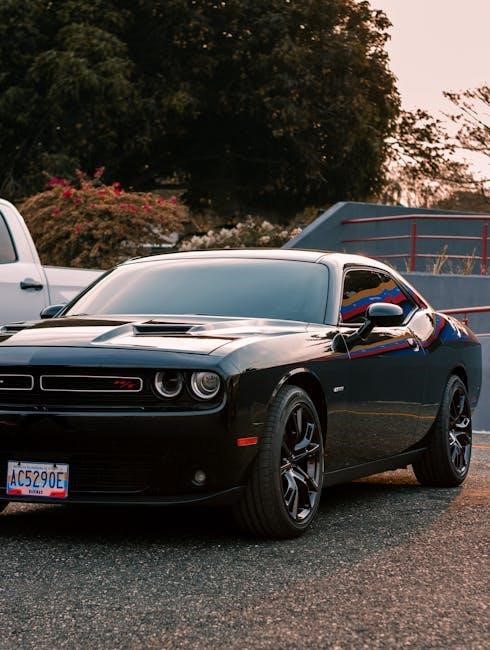
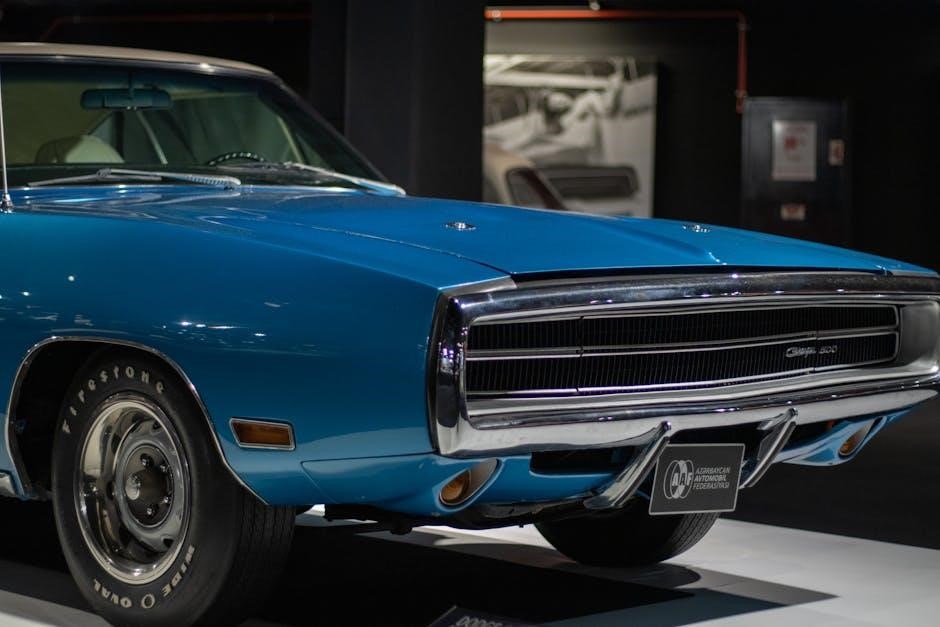
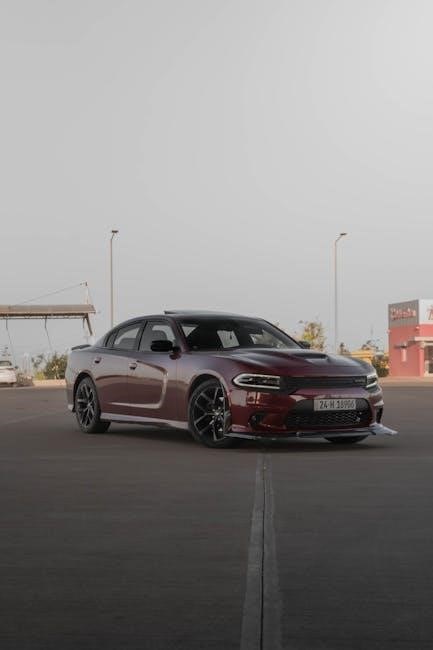
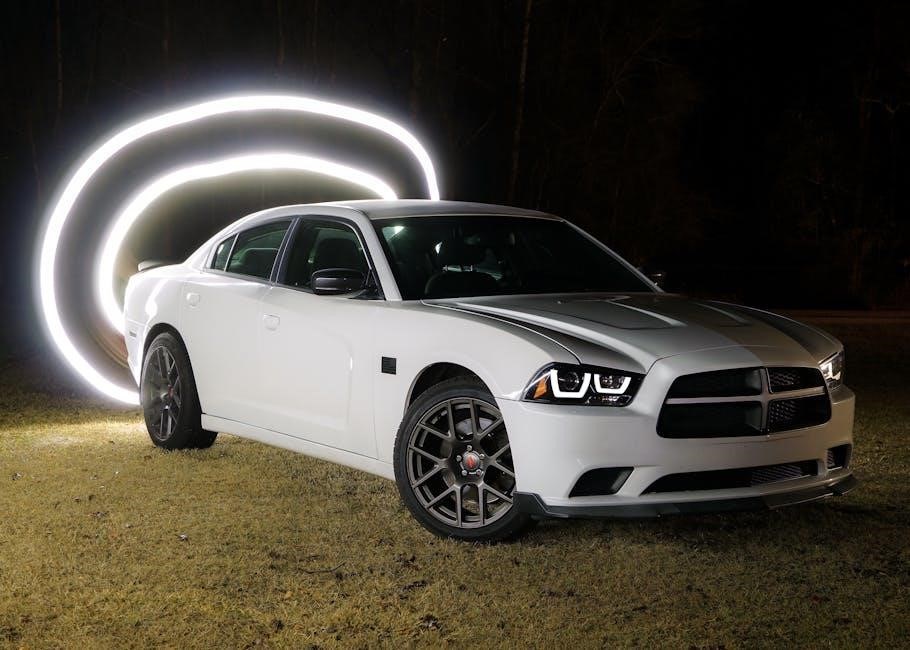
The 6-speed manual was offered in limited years: 2006-2007 for the R/T and 2008-2010 for the SRT8 models, making them desirable finds.
2006-2007 Dodge Charger R/T 6-Speed
The 2006 and 2007 Dodge Charger R/T models with the six-speed manual transmission represent the initial foray into offering a driver-focused experience. These Chargers are powered by the 5.7L HEMI V8 engine, delivering substantial power and torque. Finding one today is increasingly challenging due to limited production numbers.
Distinguishing features include the standard six-speed BorgWarner T-56 transmission, offering precise shifts and enhanced control. These R/T models often came equipped with performance-oriented options, appealing to enthusiasts. The interior typically features bolstered sport seats and unique trim elements. Due to their relative scarcity and the appeal of a manual transmission in a large muscle car, these early R/T 6-speeds are gaining collector interest.
2008-2010 Dodge Charger SRT8 6-Speed
The 2008-2010 Dodge Charger SRT8 offered the pinnacle of performance with the availability of a six-speed manual transmission. Powered by the potent 6.1L HEMI V8 (later 6.4L in 2011+ models), these SRT8s delivered exhilarating acceleration and a truly engaging driving experience. These represent the most powerful Chargers available with a manual gearbox.
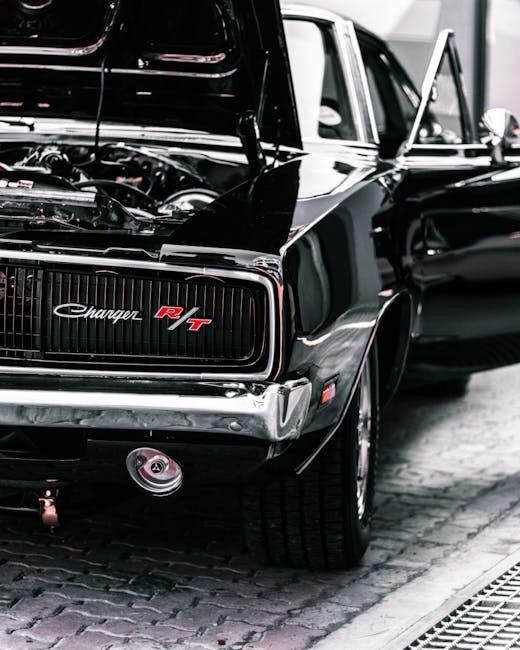
These models typically included upgraded braking systems, a more aggressive suspension setup, and distinctive exterior styling cues. The interior featured premium materials and performance-focused enhancements. Production numbers were even lower than the R/T 6-speeds, making them highly desirable among collectors and enthusiasts seeking the ultimate manual Charger. Finding a well-maintained example is a rewarding, though challenging, pursuit.
Rarity and Collectibility by Year
The 6-speed manual Dodge Chargers exhibit varying degrees of rarity, directly impacting their collectibility and market value. The 2006-2007 R/T models represent the initial offering, with relatively fewer units produced compared to automatic variants, making them increasingly sought after. The 2008-2010 SRT8 6-speeds are the rarest, boasting the highest performance and lowest production numbers – these command a significant premium.
Generally, lower mileage, original condition examples fetch the highest prices. Well-documented service histories and limited-edition packages further enhance collectibility. As time passes, the manual Chargers are becoming recognized as a unique and desirable piece of modern muscle car history, driving up demand and value.

Performance and Driving Experience
The 6-speed manual Charger delivers exhilarating acceleration, superior handling, and a deeply engaging driving experience, fostering a stronger connection between driver and machine.
Acceleration and Top Speed with Manual Transmission
The Dodge Charger’s 6-speed manual transmission unlocks impressive performance figures. While exact numbers vary based on model year (R/T vs. SRT8) and specific engine configuration, drivers consistently report quicker acceleration times compared to automatic variants. The manual allows for precise control over gear selection, maximizing power delivery and minimizing power loss during shifts.
Expect 0-60 mph times in the low-to-mid 5-second range for R/T models, and potentially sub-5 seconds for the higher-performance SRT8. Top speed is electronically limited, but the manual transmission allows the engine to rev more freely, potentially reaching slightly higher speeds than automatic versions before intervention. The driver’s skill significantly impacts these figures, with experienced drivers achieving optimal results through efficient shifting and launch control techniques.
Handling Characteristics Compared to Automatic
The Dodge Charger with a 6-speed manual exhibits noticeably different handling characteristics than its automatic counterpart. The manual transmission fosters a more direct connection between driver and machine, allowing for greater control during cornering and spirited driving. Drivers can utilize engine braking to enhance stability and maintain optimal weight distribution.
While the Charger is a large vehicle, the manual transmission encourages a more involved driving style, reducing reliance on the automatic’s shift points and allowing the driver to dictate the car’s behavior. This results in a feeling of increased agility and responsiveness. Some drivers report reduced understeer and improved overall balance, particularly when paired with performance-oriented suspension upgrades. The manual transmission transforms the Charger from a comfortable cruiser into a genuinely engaging performance sedan.
Driver Engagement and Feel
The 6-speed manual Dodge Charger delivers a profoundly engaging driving experience, far exceeding that of the automatic version. The tactile feedback from the shifter, the precise clutch engagement, and the direct control over gear selection create a strong connection between driver and car. It’s a return to a more visceral and rewarding style of driving, appealing to enthusiasts who value involvement.
This isn’t simply about faster lap times; it’s about feel. The manual transmission demands attention and skill, transforming every drive into an active experience. The sense of accomplishment from mastering heel-toe downshifts and perfectly timed gear changes is unmatched. It’s a raw, mechanical sensation that modern automatics simply cannot replicate, making the 6-speed Charger a truly special machine.

Modifications and Upgrades
Enhancements for the 6-speed Charger include performance clutches, short-throw shifters, and transmission cooling systems to maximize its potential and durability.
Performance Clutch Upgrades
For owners seeking to elevate their Charger’s performance, upgrading the clutch is a crucial modification. The stock clutch, while adequate for daily driving, can struggle to handle the increased power from engine modifications or aggressive driving styles. Performance clutches offer increased clamping force, preventing slippage and ensuring efficient power transfer to the rear wheels.
Several options are available, ranging from organic clutches for a street-friendly feel to ceramic or twin-disc clutches designed for maximum grip and track use. Considerations include pedal effort, engagement point, and overall drivability. A heavier-duty flywheel is often paired with a performance clutch to improve thermal capacity and reduce weight. Proper installation is vital, and professional installation is highly recommended to avoid issues and ensure optimal performance. Selecting the right clutch depends on the intended use of the vehicle and the driver’s preferences.
Short Throw Shifters for Enhanced Feel
A short throw shifter dramatically improves the driving experience of a manual Charger, reducing shift travel and creating a more direct and connected feel. The stock shifter can feel long and vague, diminishing driver engagement. Short throw shifters decrease the distance the lever travels between gears, allowing for quicker and more precise shifts.
These shifters come in various designs, including billet aluminum and steel constructions. Installation typically involves replacing the factory shifter assembly. Benefits include faster gear changes, improved control, and a more sporty feel. Some models offer adjustable throw lengths, allowing drivers to customize the shifter to their preference. Proper adjustment is crucial for smooth operation and to avoid binding. A short throw shifter is a relatively inexpensive upgrade that yields significant improvements in driving enjoyment and performance.
Transmission Cooling Solutions
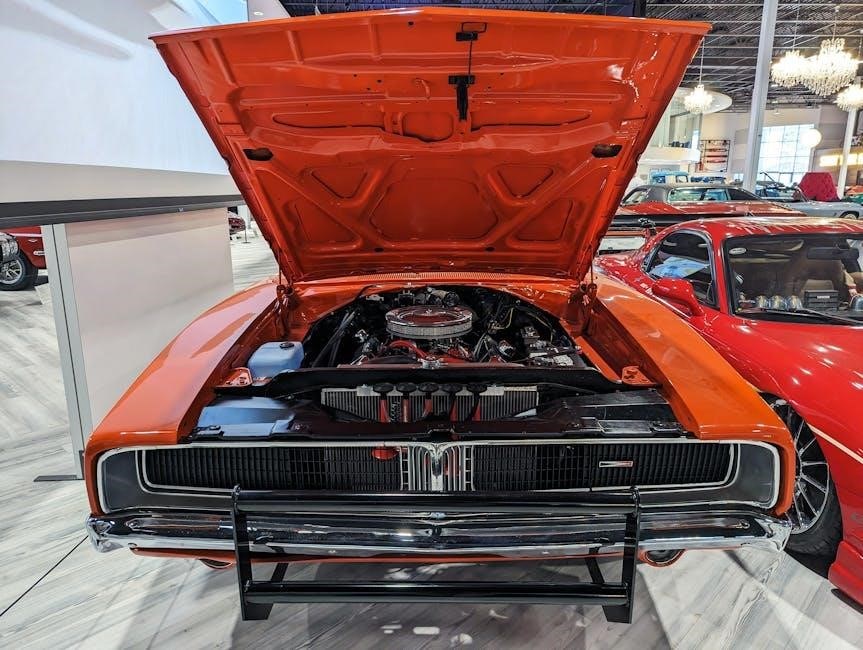
The BorgWarner T-56 transmission in the Dodge Charger can generate significant heat, especially during aggressive driving or track use. Overheating can lead to fluid breakdown, reduced performance, and even transmission failure. Implementing effective cooling solutions is crucial for longevity and reliability.
Options include adding an external transmission cooler, often mounted in front of the radiator. These coolers increase the transmission fluid capacity and dissipate heat more efficiently. Upgrading the transmission fluid to a synthetic variety with a higher heat tolerance is also recommended. Some owners opt for deep transmission pans with integrated cooling fins. Regular fluid changes are vital, especially after demanding driving. Monitoring transmission fluid temperature with a gauge provides valuable insight and allows for proactive cooling adjustments, safeguarding the T-56’s performance.
Finding and Purchasing a 6-Speed Charger
Locating a 6-speed Charger requires patience and diligence, utilizing online marketplaces and enthusiast forums to uncover these increasingly rare and desirable vehicles.
Where to Look for Used Models
The search for a 6-speed Dodge Charger often begins online, with platforms like Craigslist, Facebook Marketplace, and specialized automotive websites serving as primary resources. Dedicated Mopar forums and clubs, such as those for the Chrysler 300C and Dodge Charger/Magnum, frequently feature classifieds sections where members list vehicles for sale.
Auction sites, including Bring a Trailer and eBay Motors, can also yield results, though competition can be fierce. Local dealerships specializing in classic or muscle cars might occasionally have a Charger with a manual transmission, but this is less common. Be prepared to expand your search radius, as these models are relatively rare and may require travel to inspect and purchase. Patience and consistent monitoring of these platforms are key to finding a suitable example.
What to Inspect Before Buying
A thorough pre-purchase inspection is crucial, focusing on the transmission’s condition. Check for smooth engagement of all six gears, listening for any grinding or unusual noises during shifts. Examine the clutch for proper operation and slippage, ensuring it engages firmly. Inspect for any signs of fluid leaks around the transmission and clutch master/slave cylinders.
Review the vehicle diagnostic report for any stored or active fault codes related to the transmission or related systems. A professional mechanic specializing in Mopar vehicles is highly recommended for a comprehensive assessment. Verify the car’s history, looking for evidence of regular maintenance and any prior transmission repairs. Don’t hesitate to request documentation.
Typical Price Range
The price of a Dodge Charger with a 6-speed manual varies significantly based on year, mileage, condition, and location. Expect to find 2006-2007 R/T models ranging from $18,000 to $30,000, while the rarer 2008-2010 SRT8 versions command a premium, typically between $30,000 and $45,000 or higher.
Lower mileage, well-maintained examples in excellent condition will naturally fetch top dollar. Modifications can impact the price, sometimes positively, but often negatively if not professionally done. Auction sites and online marketplaces often present opportunities, but thorough inspection is vital. Remember to factor in potential repair costs when evaluating a vehicle’s overall value.
Maintenance and Repair
Regular fluid checks, clutch inspections, and addressing DTCs promptly are crucial for maintaining the 6-speed manual Charger’s reliability and performance over time.
Regular Maintenance Schedule for Manual Transmissions
Maintaining the BorgWarner T-56 in your Dodge Charger requires a diligent schedule. Every 30,000 miles, inspect the clutch disc, pressure plate, and throw-out bearing for wear. Fluid changes are vital; use the manufacturer-recommended fluid every 30,000-60,000 miles, depending on driving conditions.
Inspect shifter linkage for smooth operation and adjust as needed. Check for leaks around the transmission housing and seals. Regularly inspect the U-joints and driveshaft for any signs of damage or wear. Don’t neglect the transmission mounts – ensure they are secure and in good condition. Address any unusual noises or vibrations immediately to prevent costly repairs. Following this schedule will ensure a long and enjoyable driving experience.
Common Repair Issues and Costs
The T-56 transmission, while robust, isn’t immune to issues. Common repairs include synchronizer wear, leading to grinding during shifts (cost: $500-$1,500). Clutch failure is frequent, especially with aggressive driving ($300-$800 for parts and labor). Leaks from the transmission seals are also typical, requiring seal replacement ($200-$500).
Shifter linkage problems can develop, causing imprecise shifts ($100-$300 to repair). Internal damage, like broken gears, is less common but expensive ($1,000-$3,000+). Diagnostic trouble codes (DTCs) related to sensors can also appear, requiring sensor replacement ($100-$300). Regular maintenance can mitigate these issues, but be prepared for potential repair costs.
Diagnostic Trouble Codes (DTCs) Related to Transmission
Several DTCs can indicate issues within the Charger’s 6-speed manual transmission system. P0705 signals a transmission range sensor circuit malfunction, potentially causing shifting problems ($150-$400 to fix). P0706 indicates a faulty transmission range sensor, requiring replacement ($200-$500). Codes related to vehicle speed sensors (VSS) can also appear, impacting speedometer accuracy and transmission function ($100-$300).
Internal transmission faults may trigger more complex codes. Proper diagnosis with a scan tool is crucial. Addressing these codes promptly prevents further damage. Remember that DTCs are indicators, not definitive diagnoses; a thorough inspection is always recommended.
No Responses