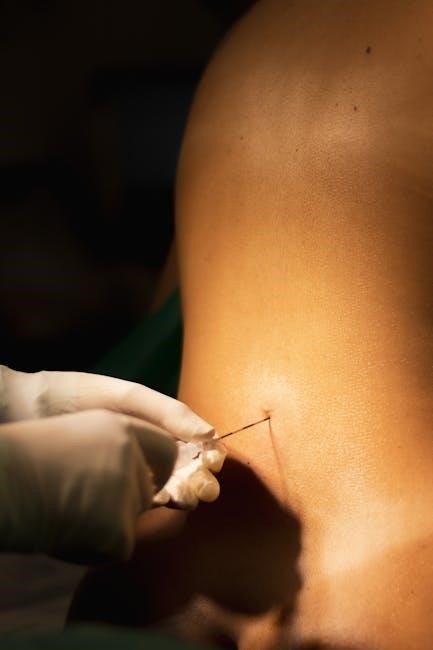
Manual lipedema extraction is gaining recognition as a potential therapy‚ offering hope for managing this chronic condition and improving quality of life for those affected.
Individuals are reporting significant improvements in joint pain‚ mobility‚ and even circumferential measurements through dedicated‚ consistent therapeutic interventions.
This approach complements existing treatments‚ providing a holistic pathway towards symptom alleviation and enhanced well-being‚ particularly when combined with lymphatic support.
What is Lipedema?
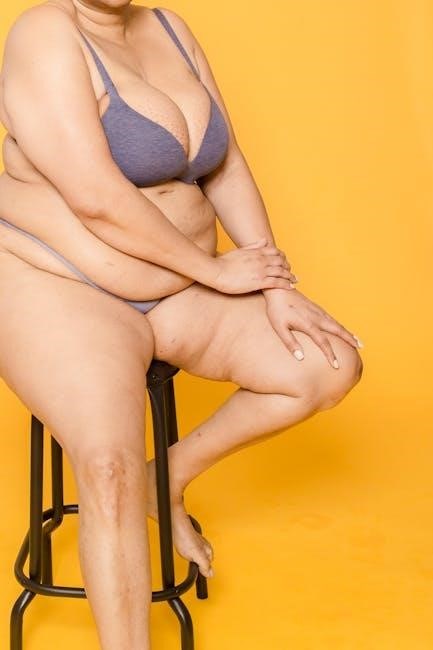
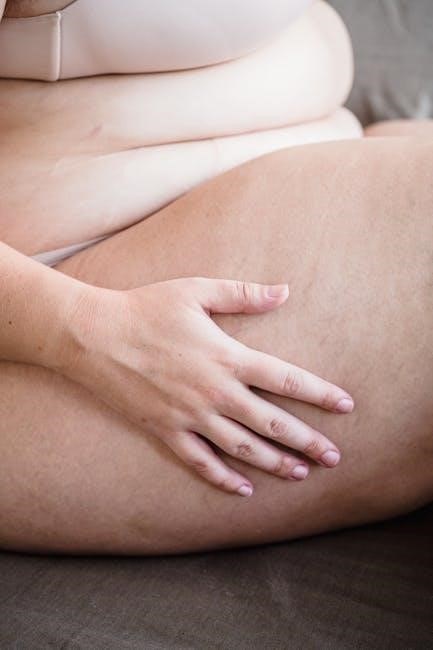
Lipedema is a chronic condition primarily affecting women‚ characterized by the abnormal buildup of fat‚ typically in the legs and arms‚ though it can occur in other areas. Unlike typical fat‚ this fat is resistant to diet and exercise‚ and doesn’t respond in the same way.
It’s crucial to understand that lipedema isn’t simply obesity; it often presents with disproportionate limb size‚ a column-like appearance of the legs‚ and a tendency for the affected areas to bruise easily. Many individuals experience pain‚ tenderness‚ and a feeling of heaviness in the affected limbs.
The condition progresses through stages‚ with Stage 2 lipedema‚ as mentioned by one user‚ showing improvements in calf circumference allowing for the wearing of previously impossible footwear. While weight loss may not be significant‚ improvements in mobility‚ balance‚ and pain levels are frequently reported‚ highlighting the impact of targeted therapies like vibration plate use.
It’s a complex condition requiring a multifaceted approach to management.
Understanding Manual Extraction as a Treatment Option
Manual lipedema extraction represents a specialized approach focused on gently releasing the hardened fat cells characteristic of lipedema. It differs significantly from traditional weight loss methods‚ addressing the underlying structural changes within the affected tissues.
While details of the procedure itself are yet to be fully explored‚ the concept centers around mobilizing and releasing the trapped fat‚ potentially improving lymphatic flow and reducing discomfort. This is often coupled with lymphatic drainage techniques to facilitate the removal of released fluids and toxins.
The reported benefits‚ such as improved mobility and reduced pain‚ suggest a positive impact on quality of life; However‚ it’s important to note that this is often used in conjunction with other therapies like compression garments‚ vibration plates‚ and self-lymphatic massage‚ as highlighted by user experiences. It’s a component of a broader management strategy.
Further research is needed to fully understand its efficacy.
The Current Landscape of Lipedema Treatments
Currently‚ lipedema treatment focuses on symptom management rather than a cure. Traditional approaches include conservative therapies like compression garments – Bioflect and Czsalus are popular choices – and lymphatic drainage massage‚ often self-administered with techniques learned online. These aim to reduce swelling and discomfort.
Vibration plate therapy is emerging as a valuable adjunct‚ with users reporting significant pain reduction and improved mobility‚ even at a low cost (around $80 for some models). Massage guns‚ specifically those with crescent-shaped nodule attachments‚ are also utilized for targeted tissue work.
Surgical options‚ like liposuction‚ exist but aren’t always ideal due to the unique structure of lipedema fat. Manual lipedema extraction is a newer‚ less invasive option gaining attention‚ offering a potential alternative or complement to existing strategies. It’s important to note that a multi-faceted approach often yields the best results.
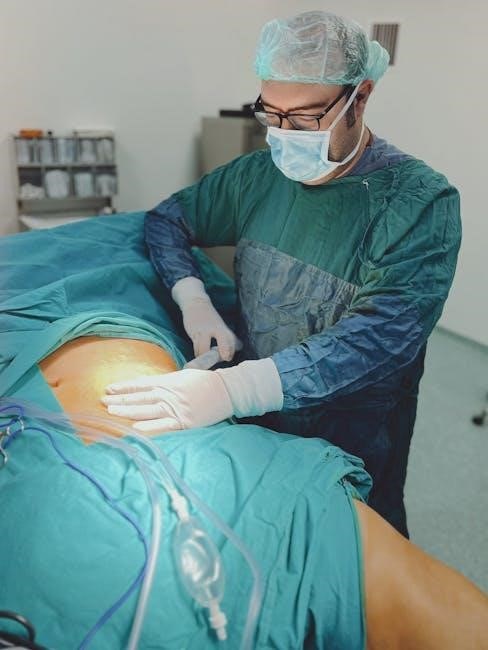
The Principles of Manual Lipedema Extraction
Manual lipedema extraction centers on gently releasing affected tissues‚ promoting lymphatic flow‚ and addressing the unique fibrous structure of lipedema fat deposits.
How Manual Extraction Differs from Liposuction
Manual lipedema extraction fundamentally differs from traditional liposuction in its approach and goals. Liposuction mechanically removes fat cells‚ often exacerbating lipedema by disrupting lymphatic pathways and potentially worsening fibrosis.
Conversely‚ manual extraction focuses on gently mobilizing and releasing the hardened‚ fibrotic fat characteristic of lipedema‚ without forceful suction. This technique prioritizes preserving and stimulating lymphatic drainage‚ a crucial aspect of lipedema management often compromised by liposuction.
The gentle nature of manual extraction minimizes trauma to surrounding tissues‚ reducing the risk of complications and promoting a more natural healing process. It aims to restore proper fluid balance and improve tissue health‚ addressing the underlying pathology of lipedema rather than simply removing volume. While liposuction can offer immediate cosmetic results‚ manual extraction seeks long-term functional improvement and symptom relief.
The Role of Lymphatic Drainage in Extraction
Lymphatic drainage is absolutely central to the success of manual lipedema extraction. Lipedema inherently involves impaired lymphatic function‚ leading to fluid buildup and inflammation within affected tissues. Manual extraction techniques are specifically designed to work with the lymphatic system‚ not against it.
By gently releasing the fibrotic fat‚ the procedure creates space and reduces pressure on lymphatic vessels‚ allowing for improved fluid flow. This is often coupled with manual lymphatic drainage (MLD) massage‚ both pre- and post-extraction‚ to further stimulate lymphatic circulation.
Effective lymphatic support is vital for removing released toxins and excess fluid‚ minimizing swelling‚ and promoting long-term tissue health. Compression garments also play a key role in maintaining lymphatic flow post-treatment. Prioritizing lymphatic function is what distinguishes manual extraction from more aggressive fat removal methods.
Gentle Tissue Release Techniques
Gentle tissue release is the cornerstone of manual lipedema extraction‚ differing significantly from forceful approaches. The goal isn’t simply to remove fat‚ but to address the underlying fibrotic tissue that characterizes lipedema. Therapists employ specialized techniques to carefully mobilize and release these hardened fat cells.
These methods involve slow‚ deliberate movements‚ focusing on loosening the connective tissue surrounding fat lobules. This allows for improved circulation and lymphatic drainage. A massage gun with a crescent-shaped head featuring small nodules can be beneficial for targeted tissue work‚ but should be used cautiously.
The emphasis is on respecting the body’s natural boundaries and avoiding trauma. This gentle approach minimizes pain and bruising‚ while maximizing the effectiveness of the extraction process and promoting long-term tissue health and flexibility.
Preparation for Manual Lipedema Extraction
Prior to extraction‚ thorough patient assessment is crucial‚ alongside pre-treatment lymphatic support via compression and dry brushing‚ optimizing results and recovery.
Adequate hydration and a tailored dietary plan further enhance the body’s responsiveness to the therapeutic process.
Patient Assessment and Candidacy
Determining suitability for manual lipedema extraction requires a comprehensive assessment‚ focusing on individual presentation and disease stage. A detailed medical history review is essential‚ alongside a physical examination to accurately diagnose lipedema and rule out other conditions mimicking its symptoms.
Clinicians evaluate the distribution of affected areas‚ noting the characteristic pattern of fat accumulation‚ often sparing the feet. Assessing pain levels‚ tenderness‚ and the presence of bruising is also vital.
Ideal candidates typically exhibit Stage 2 lipedema‚ demonstrating noticeable improvements with vibration plate therapy‚ as reported by users. However‚ candidacy isn’t solely based on stage; overall health‚ commitment to post-treatment care (compression‚ lymphatic drainage)‚ and realistic expectations are paramount.
Contraindications‚ such as acute infections or certain medical conditions‚ must be identified to ensure patient safety. A thorough discussion of potential benefits and limitations is crucial for informed consent.
Pre-Treatment Lymphatic Support (Compression‚ Dry Brushing)
Optimizing lymphatic function before manual lipedema extraction is crucial for maximizing results and minimizing post-procedure discomfort. Implementing a consistent lymphatic support regimen several weeks prior prepares the body for tissue mobilization.
Medical-grade compression garments are foundational‚ aiding fluid movement and reducing swelling. These should be worn daily‚ ideally during waking hours. Complementing compression‚ dry brushing with a natural bristle brush encourages lymphatic drainage by stimulating circulation towards lymph nodes.
Brush towards the heart using gentle‚ upward strokes. Additionally‚ elevating the legs against a wall for 15-20 minutes daily promotes venous and lymphatic return.
Bioflect and Czsalus compression leggings‚ favored by some patients‚ offer comfortable support. Prioritizing these preparatory steps enhances treatment efficacy and supports the body’s natural detoxification processes.
Hydration and Dietary Considerations
Adequate hydration is paramount when preparing for manual lipedema extraction‚ as it supports lymphatic flow and facilitates the removal of released toxins. Aim for at least eight glasses of water daily‚ and consider incorporating electrolyte-rich beverages to maintain optimal fluid balance.
Dietary adjustments can further enhance pre-treatment preparation. Reducing processed foods‚ sugar‚ and excessive salt minimizes inflammation and supports healthy circulation. Focusing on a whole-food diet rich in fruits‚ vegetables‚ and lean protein provides essential nutrients for tissue repair and lymphatic function.
Prioritize anti-inflammatory foods like fatty fish‚ berries‚ and leafy greens. Avoiding alcohol and caffeine in the days leading up to treatment is also advisable‚ as they can contribute to dehydration and impede lymphatic drainage.
A nourished body responds more favorably to the extraction process and recovers more efficiently.
The Manual Extraction Procedure
Manual lipedema extraction involves gentle‚ specialized techniques to mobilize and release affected tissues‚ promoting lymphatic drainage and reducing localized swelling effectively.
Skilled practitioners utilize precise movements to address the unique characteristics of lipedema‚ optimizing patient comfort and therapeutic outcomes.
Step-by-Step Breakdown of the Process
Initial Assessment: The process begins with a thorough evaluation to map affected areas and assess tissue texture. This guides the practitioner’s approach.
Skin Warming & Preparation: Gentle skin warming techniques are often employed to enhance tissue pliability and improve circulation before manipulation.
Gentle Mobilization: Utilizing specialized hand movements‚ the therapist gently mobilizes subcutaneous fat‚ focusing on releasing fibrous bands that contribute to lipedema’s characteristic texture.
Tissue Release: Precise techniques are applied to release trapped fluid and encourage lymphatic flow within the affected tissues. This is a core component of the extraction.
Lymphatic Support: Throughout the procedure‚ emphasis is placed on supporting lymphatic drainage to remove released fluids and minimize discomfort.
Layered Approach: The extraction is often performed in layers‚ systematically addressing different depths of affected tissue to maximize results.
Monitoring & Adjustment: The practitioner continuously monitors the patient’s response and adjusts techniques accordingly‚ ensuring comfort and effectiveness.
Techniques Used: Gentle Mobilization & Tissue Release
Gentle Mobilization involves slow‚ deliberate hand movements to loosen the dense‚ fibrotic tissue characteristic of lipedema. This isn’t massage; it’s a precise technique to break down hardened fat cells.
Skin Rolling is often utilized‚ gently lifting and releasing the skin and underlying tissue to improve circulation and encourage fluid movement. It’s a foundational element.
Tissue Release focuses on releasing the fibrous septae that constrict tissues and contribute to pain and swelling. This requires specialized training and a nuanced touch.
Myofascial Release may be incorporated to address tension in the fascia‚ the connective tissue surrounding muscles‚ which can exacerbate lipedema symptoms.
Lymphatic Pathways are carefully considered; techniques aim to open and clear these pathways to facilitate drainage and reduce fluid buildup.
Precision & Depth are crucial – the practitioner adjusts pressure and depth based on tissue response and patient comfort‚ avoiding aggressive manipulation.
Constant Communication with the patient is vital to ensure the process remains comfortable and effective throughout each session.
Duration and Number of Sessions
Session Length for manual lipedema extraction typically ranges from 60 to 90 minutes‚ allowing sufficient time to address affected areas thoroughly. Each session is tailored to the individual’s specific needs and the extent of lipedema.
Initial Phase often involves more frequent sessions – perhaps twice weekly – to establish a baseline and initiate tissue mobilization. This helps to jumpstart the lymphatic system.
Maintenance Phase transitions to less frequent appointments‚ such as once a week or every other week‚ as improvements are observed and the body adapts.
Total Sessions vary significantly depending on the stage of lipedema‚ the areas affected‚ and individual response to treatment. Some may see benefits after a few months‚ while others require longer-term care.
Consistency is Key; regular sessions are crucial for sustained results. Gaps in treatment can lead to a regression of improvements.
Progress Monitoring is ongoing‚ with adjustments made to the treatment plan based on the patient’s progress and feedback.
Long-Term Commitment may be necessary for ongoing management and to prevent the progression of lipedema.
Post-Extraction Care and Recovery
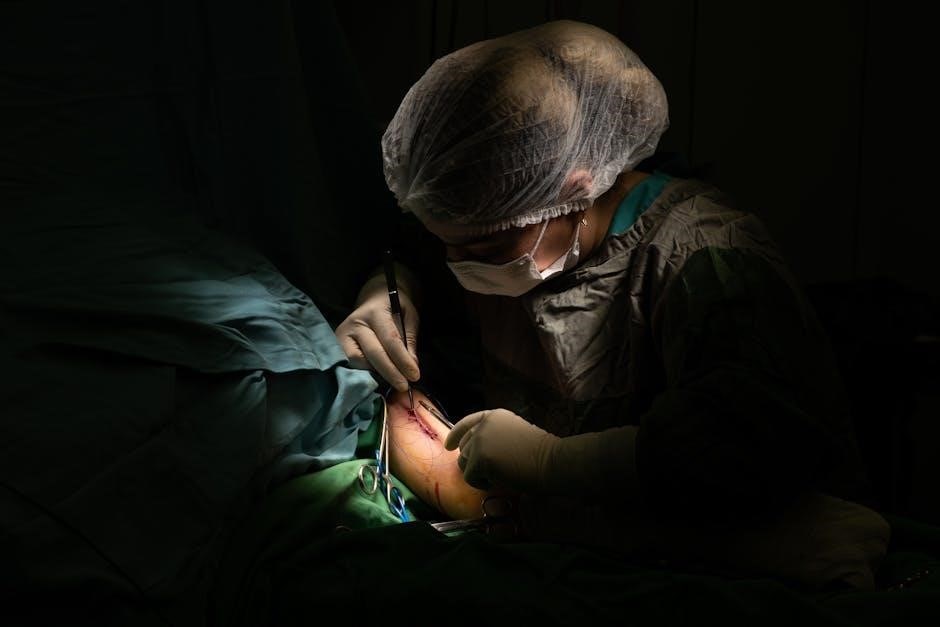
Following manual lipedema extraction‚ compression garments are vital for supporting lymphatic drainage and minimizing swelling‚ aiding the body’s natural healing processes.
Consistent wear‚ coupled with lymphatic massage‚ optimizes results and promotes long-term tissue health and stability.
Proper aftercare is essential for maximizing benefits and minimizing potential discomfort during the recovery period.
Compression Garments: Types and Usage
Compression garments are a cornerstone of post-manual lipedema extraction care‚ playing a crucial role in optimizing results and supporting the body’s healing process. Several types are available‚ each offering varying levels of support and coverage.
Bioflect and Czsalus leggings are popular choices‚ with Bioflect often favored for comfort. These specialized garments aim to enhance circulation and lymphatic flow. Traditional medical-grade compression stockings are also frequently recommended‚ particularly for the legs‚ providing graduated compression to encourage fluid movement.
Usage guidelines typically involve wearing the garments consistently for several weeks‚ often 23 hours a day‚ gradually decreasing wear time as swelling subsides. It’s essential to ensure a proper fit – not too tight‚ restricting circulation‚ nor too loose‚ losing effectiveness. Consulting with a trained therapist is vital to determine the appropriate compression level and duration of use based on individual needs and the extent of the extraction performed.
Regularly laundering garments is also important to maintain hygiene and effectiveness.
Lymphatic Drainage Massage Post-Extraction
Lymphatic drainage massage is a vital component of recovery following manual lipedema extraction‚ assisting the body in efficiently removing released fluids and toxins. This gentle technique encourages lymphatic flow‚ reducing swelling and promoting tissue healing.
Post-extraction‚ the lymphatic system requires support to manage the increased fluid load. Skilled therapists utilize light‚ rhythmic strokes following the natural pathways of the lymphatic system‚ guiding fluids towards lymph nodes. Learning self-lymphatic massage techniques is also highly beneficial‚ empowering patients to actively participate in their recovery.
Simple techniques‚ like elevating the legs against a wall‚ can supplement professional treatments. Consistency is key; regular massage sessions‚ initially frequent and then gradually spaced out‚ optimize results. It’s crucial to avoid deep tissue massage immediately post-extraction‚ focusing instead on gentle lymphatic encouragement. Combining massage with compression garments maximizes lymphatic support.
Pain Management and Potential Side Effects
Post-extraction discomfort is typically manageable‚ often described as soreness rather than intense pain. Over-the-counter analgesics‚ like Alieve‚ can effectively alleviate any discomfort experienced during the initial recovery phase. Following the practitioner’s guidance regarding activity levels is crucial to minimize pain and promote healing.
Potential side effects are generally mild and temporary. Bruising is common‚ as is temporary skin discoloration. Some individuals may experience localized swelling or tenderness‚ which typically subsides within a few days. It’s important to report any unusual or concerning symptoms to your healthcare provider.
Proper hydration and adherence to compression garment protocols significantly reduce the risk of complications. While rare‚ infection is a possibility‚ emphasizing the importance of maintaining meticulous wound care. Open communication with your practitioner ensures prompt attention to any concerns‚ optimizing a smooth recovery.
Complementary Therapies for Lipedema Management

Vibration plates‚ massage guns (with specific attachments)‚ and compression leggings like Bioflect and Czsalus offer valuable support alongside manual extraction for optimal results;
Vibration Plate Therapy for Improved Circulation
Vibration plate therapy emerges as a remarkably accessible and effective complementary approach to manual lipedema extraction‚ significantly enhancing circulation and overall well-being. User testimonials highlight substantial improvements in joint pain‚ particularly in the knees‚ reducing discomfort from a 7 to a 2 on pain scales‚ and even complete relief when combined with over-the-counter pain relievers.
Beyond pain reduction‚ individuals report increased stamina‚ improved balance‚ and enhanced mobility‚ allowing for prolonged standing and activity without the familiar sensations of heaviness and soreness. Notably‚ some have observed positive changes in calf circumference‚ enabling the comfortable wearing of previously restrictive footwear like high boots.
While weight loss isn’t consistently reported‚ the overall improvements in physical function and quality of life are described as “amazing.” Affordable options‚ such as those available on Temu for around $80‚ make this therapy widely accessible‚ with noticeable benefits often appearing within 3-4 weeks of consistent‚ every-other-day use.
Massage Guns for Tissue Work (Specific Attachments)
Massage guns represent a valuable adjunct to manual lipedema extraction‚ specifically for addressing deeper tissue restrictions‚ though not directly for lymphatic work. Their effectiveness hinges on utilizing the correct attachments; a crescent-shaped head featuring multiple small nodules is crucial for optimal results. This specialized head allows for targeted release of fascial adhesions and muscle tension often associated with lipedema.
While not a substitute for skilled manual techniques‚ massage guns can empower individuals to perform self-care between professional treatments‚ maintaining tissue pliability and reducing discomfort. They are particularly useful for addressing areas where manual manipulation is difficult or painful.
It’s important to use massage guns with caution‚ avoiding direct application over bony prominences or areas of inflammation. Combining massage gun therapy with other modalities like compression garments and lymphatic drainage techniques can create a synergistic effect‚ maximizing benefits and supporting long-term lipedema management.
Bioflect and Czsalus Compression Leggings
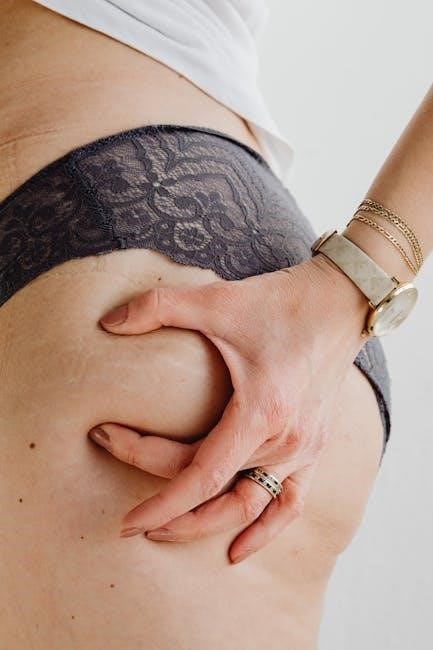
Bioflect and Czsalus compression leggings are frequently recommended as foundational components of lipedema management‚ offering distinct benefits for individuals undergoing manual lipedema extraction. Both brands provide graduated compression‚ crucial for supporting lymphatic drainage and reducing swelling‚ but differ in feel and construction.
Bioflect leggings are often favored for their enhanced comfort‚ utilizing a softer fabric that may be preferable for all-day wear. Czsalus leggings‚ while potentially less comfortable initially‚ are known for their robust compression and durability. The choice often comes down to personal preference and sensitivity.
These leggings aid in reducing the sensation of heaviness in the legs‚ improving circulation‚ and supporting the positive effects of extraction treatments. Consistent use‚ alongside other therapies‚ is key to long-term symptom management and maintaining optimal results.
Long-Term Management and Maintenance
Sustained lymphatic support‚ regular exercise‚ and mindful movement are vital for maintaining results after manual lipedema extraction‚ preventing progression‚ and optimizing well-being.
Continued Lymphatic Support
Maintaining robust lymphatic function is paramount following manual lipedema extraction‚ as it directly impacts long-term results and symptom management. Consistent use of compression garments – both Bioflect and Czsalus leggings are frequently recommended – helps to support lymphatic flow and prevent fluid re-accumulation.
Regular self-lymphatic drainage massage is also crucial. Learning proper techniques‚ including gentle skin stroking and deep diaphragmatic breathing‚ empowers individuals to actively participate in their care. Elevating the legs against a wall is a simple‚ cost-effective method to encourage lymphatic drainage.
Incorporating vibration plate therapy into a routine can further enhance circulation and lymphatic function. Dry brushing‚ performed before showering‚ stimulates lymphatic vessels and promotes detoxification. These ongoing practices work synergistically to sustain the benefits achieved through extraction and minimize the potential for lipedema progression.
Exercise and Movement Recommendations
Following manual lipedema extraction‚ a carefully considered exercise approach is vital. While intense workouts may initially be challenging‚ gentle‚ low-impact movements are highly beneficial. Focus on activities that promote lymphatic drainage and circulation‚ such as walking‚ swimming‚ and cycling.
Prioritize consistent movement over strenuous exertion. The goal isn’t weight loss‚ but rather improving mobility‚ reducing joint pain‚ and supporting lymphatic function. Individuals have reported remarkable improvements in stamina and balance with regular‚ moderate exercise.
Avoid exercises that excessively strain the affected limbs‚ as this can exacerbate inflammation. Listen to your body and gradually increase activity levels as tolerated. Combining exercise with continued lymphatic support – compression‚ massage‚ and vibration plate therapy – maximizes positive outcomes and fosters long-term well-being.
Monitoring for Lipedema Progression
Consistent self-monitoring is crucial even after successful manual lipedema extraction. Lipedema is a progressive condition‚ and while treatment can significantly improve symptoms‚ ongoing vigilance is essential to detect any potential re-accumulation of affected tissue.
Regularly assess limb circumference measurements‚ noting any changes in size or shape. Pay attention to the return of symptoms like pain‚ tenderness‚ or bruising. Document these observations to share with your healthcare provider during follow-up appointments.
Maintain consistent lymphatic support – compression garments‚ dry brushing‚ and vibration plate use – as preventative measures. Proactive monitoring allows for timely intervention if progression occurs‚ ensuring continued management and preserving the benefits achieved through extraction and complementary therapies.
No Responses