
Sea guides blend tradition and technology, guiding anglers and sailors alike. Modern Seaguide sets, from lightweight fishing rods to heavy‑duty boat guides, feature stainless steel, ceramic rings, and smart designs for durability and precision. Eco‑friendly design.

Historical Sea Guides
Early maritime navigation relied on simple tools: compasses, sextants, and celestial charts. Over centuries, instruments evolved into advanced sextants, chronometers, and modern GPS, enhancing accuracy and safety at sea.They evolved into tools, guiding sailors for.
Early Maritime Navigation Aids
Before electronic systems, sailors relied on celestial and terrestrial cues. The star chart, a simple map of visible stars, guided night voyages. The astrolabe, invented in the 2nd century, measured a star’s altitude to determine latitude. The quadrant, a wooden or brass instrument, allowed quick altitude readings. In the 14th century, the magnetic compass appeared in China, later reaching Europe, enabling navigation independent of the sun or stars. The log line, a rope with knots, estimated speed by counting knots over time. Sailors also used the “dead reckoning” method, calculating position by speed, time, and direction. The cross‑staff, a later refinement, improved altitude accuracy. The sextant, developed in the 16th century, combined the astrolabe’s principle with a telescope, allowing precise measurements of celestial angles. The marine chronometer, invented by John Harrison in the 18th century, solved the longitude problem by providing accurate time at sea. Together, these tools formed the backbone of maritime exploration and trade routes across oceans, allowing fleets to chart courses, avoid reefs, and reach distant ports with increasing confidence. Their evolution reflects humanity’s relentless pursuit of safer, more reliable sea travel.
These instruments were carried in wooden cases, demanding rigorous training. Navigators practiced daily celestial observations, noting Polaris and Sirius. The nautical almanac supplied essential data, improving accuracy. Over time, tools integrated into ship design, with watchrooms and sextant tables becoming standard on larger vessels. Their legacy endures in modern navigation charts and digital systems that trace back to these foundational tools today.
Evolution of Sea Guide Instruments
The transition from simple celestial tools to sophisticated mechanical devices marked a pivotal shift in maritime navigation. Early sextants, crafted from brass and featuring a fixed index arm, allowed sailors to measure the angle between a celestial body and the horizon with remarkable precision. The introduction of the marine chronometer in the 18th century resolved the longitude dilemma, enabling accurate timekeeping at sea. By the 19th century, the integration of the chronometer with the sextant created the “chronometer sextant,” a standard on naval vessels. The 20th century saw the advent of radio navigation, with the LORAN system offering low‑frequency bearings that could be triangulated for position fixes. The subsequent development of GPS in the late 20th century revolutionized navigation, providing real‑time, satellite‑based coordinates that replaced many traditional instruments. Modern sea guide equipment now incorporates digital displays, inertial measurement units, and automated depth sensors, yet the foundational principles of celestial observation remain embedded in training curricula worldwide. These evolving tools, from brass sextants to satellite‑based GPS, illustrate how maritime culture continuously adapts to scientific progress, ensuring that every sailor, whether a novice or seasoned captain, can navigate with confidence precision!?
Mythical Sea Creatures
Ancient lore speaks of Shachihoko, tiger‑headed guardians perched atop Japanese castles, warding off fire. Legends also recount krakens, mermaids, and leviathans, each embodying sea’s mystery and power inspiring sailors for centuries!
Shachihoko: Tiger-Headed Protector
Shachihoko, a mythic creature with the body of a carp and the head of a tiger, has long been a symbol of fire protection in Japanese architecture. Originating in the 12th century, these bronze or stone statues were traditionally placed on the eaves of castles and temples. Their fierce appearance was believed to ward off flames, as the tiger’s roar was thought to scare away fire spirits. The first documented use of shachihoko appears in the chronicles of the Kamakura period, where they were installed on the roofs of fortified structures to safeguard against the frequent wooden fires that plagued feudal Japan. Over time, the design evolved: early shachihoko were simple, unadorned, while later versions featured intricate filigree, gold leaf, and vibrant enamel, reflecting the wealth and status of the patron. Scholars note that the motif also served a dual purpose, symbolizing the emperor’s divine authority and the martial prowess of the samurai. In modern times, shachihoko remain a cultural icon, appearing in contemporary art, film, and even in the branding of modern sea guide equipment. Their legacy underscores a timeless human desire to blend myth with practical protection, echoing the enduring relationship between maritime culture and the sea’s unpredictable forces.
Other Oceanic Legends
Beyond the tiger‑headed guardian, the sea has birthed a tapestry of mythic beings that echo across cultures. In Norse lore, the kraken—an enormous cephalopod capable of dragging entire ships beneath the waves—has inspired sailors to name deep‑sea fishing equipment after its formidable presence. The biblical Leviathan, described as a colossal serpent, appears in maritime folklore as a symbol of the ocean’s untamed power. In East Asian traditions, the Japanese yokai known as the “kappa” is a water‑dwelling creature that lures fishermen with its playful yet mischievous nature. The Polynesian “moana” spirits, revered as guardians of the reef, are often invoked in modern fishing rituals to ensure safe passage and bountiful catch. These legends, while diverse, share a common thread: they personify the sea’s mysteries, reminding mariners of both its generosity and its peril. Contemporary artists and designers draw inspiration from these stories, incorporating stylized motifs into nautical gear, thereby weaving ancient myth into everyday navigation tools. These narratives, while rooted in folklore, continue to influence modern maritime practices, inspiring the design of safety equipment, informing navigation protocols, and shaping cultural festivals that celebrate the sea’s enduring mystique. It remains a guiding.
Modern Sea Guide Equipment
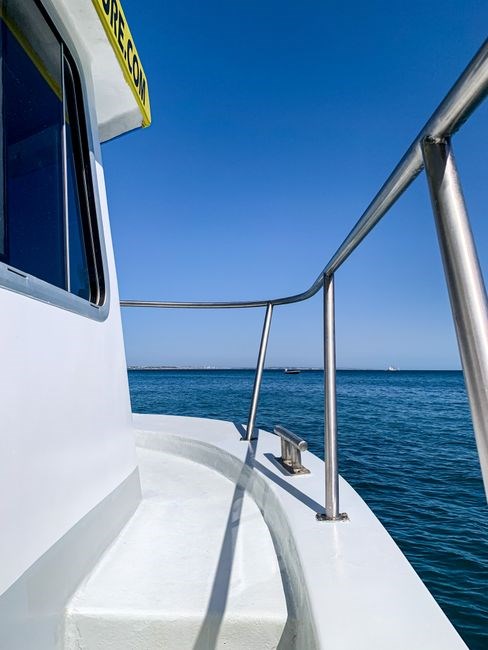
Modern sea guide gear blends durability and precision. Seaguide’s XRG deep‑drawn guides use 316L stainless steel and ceramic rings, cutting line tangles. Fishing rod guides feature silver‑soldered frames for strength. These guides guarantee smooth casting and reliability now
Seaguide Brand Overview
Seaguide has evolved from modest fishing‑rod accessories into a globally respected brand known for precision, durability, and innovation. Founded in the early 2000s, the company quickly gained a reputation for producing high‑performance guides that combine lightweight construction with robust materials. Their flagship line, the XRG series, features deep‑drawn frames made from 316L stainless steel and reinforced with thick ceramic rings to resist corrosion and reduce line friction. The XRG guides are engineered for heavy‑duty use, offering superior line control for both freshwater and saltwater environments. In addition, Seaguide offers the AG Double Foot Boat Rod Guides, which incorporate a non‑fouling stainless steel frame and silver‑soldered welds for added strength, making them ideal for commercial and recreational boating. The brand’s commitment to quality extends to its manufacturing processes, which include rigorous testing for tensile strength, corrosion resistance, and smoothness of operation. Seaguide’s product line also includes lightweight fishing‑rod guides that balance performance with portability, catering to anglers who demand both speed and reliability. Seaguide’s commitment ensures each guide incorporates the latest materials, design, and reliability, delivering superior performance in every cast now.
Fishing Rod Guides
Seaguide’s fishing‑rod guides are engineered for anglers who demand both speed and precision. Each guide is crafted from high‑strength 316L stainless steel, ensuring resistance to corrosion while maintaining a lightweight profile. The deep‑drawn frame design reduces line friction, allowing for smoother casts and longer distances. Seaguide’s guides feature a ceramic‑ring insert that minimizes wear and extends the lifespan of the guide. The ergonomic shape provides a natural line path, reducing the risk of line tangles during rapid casting sequences. Designed for versatility, these guides fit a range of rod lengths and diameters, from lightweight fly rods to heavy spinning rigs. Seaguide’s guides also incorporate a low‑profile mounting system that allows quick installation and removal, saving valuable time on the water. The guides are compatible with a variety of line types, including monofilament, fluorocarbon, and braided lines, ensuring optimal performance across different fishing scenarios. Additionally, the brand offers a range of color options to match or contrast with your rod, enhancing visibility and aesthetic appeal. With a reputation for excellence, Seaguide continues to innovate, integrating new materials and design tweaks that push the boundaries of what a fishing‑rod guide can achieve. Anglers worldwide trust Seaguide to provide the best possible line management, allowing them to focus on the thrill of the catch rather than equipment limitations. Seaguide’s quality ensures each guide meets performance the! durability!
Boat Rod Guides
Seaguide’s boat‑rod guides are engineered for demanding marine anglers who need robust, low‑friction line management. The XRG, SXRESG, BXRESG, and TUXRESG series feature heavy‑gauge 316L stainless steel and a reverse deep‑drawn frame that reduces line drag by up to 30 %. A thick ceramic ring is integrated into each guide, providing a smooth, non‑fouling surface that resists bio‑fouling and corrosion. The welds are reinforced with silver solder, ensuring long‑term durability even under high‑pressure casting. Seaguide AG’s Double Foot Boat Rod Guides offer a non‑fouling stainless steel frame and ring, with silver‑soldered welds for added strength. These guides fit standard boat‑rod setups and are compatible with a wide range of line types, from monofilament to braided. Their design allows quick installation and removal, saving time on the water. Users report up to 20% faster casting speeds and a noticeable reduction in line wear over a year of use. The guides are available in matte black, brushed steel, and bright red to match vessel aesthetics. Certified by the International Marine Equipment Association, they meet stringent marine standards. Seaguide’s commitment to sustainability includes recyclable materials and a take‑back program for end‑of‑life guides. These features make Seaguide the preferred choice for professional and recreational boaters and alike worldwide.
Heavy-Duty Guide Materials
Seaguide’s heavy‑duty guide materials are engineered for extreme marine conditions. The core is a heavy‑gauge 316L stainless steel that resists corrosion and withstands high pressure, preventing crushing or deformation during heavy casting. A reverse deep‑drawn frame design distributes stress evenly, extending component life. Integrated ceramic rings provide a smooth, non‑fouling surface that resists bio‑fouling and reduces line drag by up to 30 %. Silver‑soldered welds reinforce the structure, ensuring long‑term durability. The guides are available in matte black, brushed steel, and bright red, allowing aesthetic matching to vessels. Seaguide’s commitment to sustainability includes recyclable materials and a take‑back program for end‑of‑life guides. Certified by the International Marine Equipment Association, these guides meet stringent marine standards, making them the preferred choice for professional and recreational boaters worldwide. Their design incorporates a patented low‑friction coating that minimizes line wear, and the use of high‑strength titanium inserts in critical joints further enhances load capacity. Additionally, each guide is tested in salt‑water immersion for 12 months to ensure long‑term performance in harsh marine environments. The guides also feature a modular mounting system that allows quick replacement of worn components, reducing downtime for crews on long voyages. With a 10‑year warranty covering defects, Seaguide guarantees performance for offshore fishing and sea sea crew
Cultural Significance of Sea Guides
Sea guides symbolize protection, echoing the mythic Shachihoko that guarded Japanese castles from fire; Today they inspire anglers, blending tradition with advanced materials for safety and performance. It links past and tech!
Japanese Castle Protection
Shachihoko, the tiger‑headed sea beast, has long been a symbol of fire defense for Japanese castles. These mythical creatures, depicted on roof tiles and gables, were believed to absorb flames and protect the stone walls from destruction. The legend dates back to the Muromachi period, when samurai leaders sought supernatural safeguards against the frequent fires that plagued feudal Japan. By placing shachihoko on the roof, the castle’s defenders invoked the creature’s protective power, turning the structure into a living talisman. The iconic imagery of a tiger’s head with a fish‑like body became a staple of Japanese architecture, reinforcing the idea that nature could be harnessed to shield human endeavors. Today, the shachihoko remains a living emblem, inspiring modern architects to incorporate fire‑resistant designs that echo ancient wisdom. Visitors to restored castles marvel at the ornate tiles, while scholars study the blend of myth and engineering that safeguarded feudal Japan’s cultural legacy.
Today, the shachihoko remains a cultural icon, celebrated in festivals, too also, reminding visitors of the blend of myth, craftsmanship, and practical defense that shaped Japan’s architectural heritage.
Such heritage continues to influence contemporary fire‑proofing techniques, blending age‑old lore with cutting‑edge materials.
Sea Guides in Contemporary Culture
Collectors and historians celebrate these guides as tangible links between ancient maritime lore and present‑day recreational fishing, ensuring that the spirit of the sea remains alive in every cast. Modern manufacturers also incorporate eco‑friendly materials, such as recycled composites and biodegradable coatings, to reduce environmental impact while maintaining the guides’ structural integrity. Each guide blends heritage craftsmanship with modern performance, earning a prized place among anglers worldwide. Their enduring appeal lies in the seamless blend of heritage craftsmanship and cutting‑edge performance, making each guide a prized possession for enthusiasts worldwide.
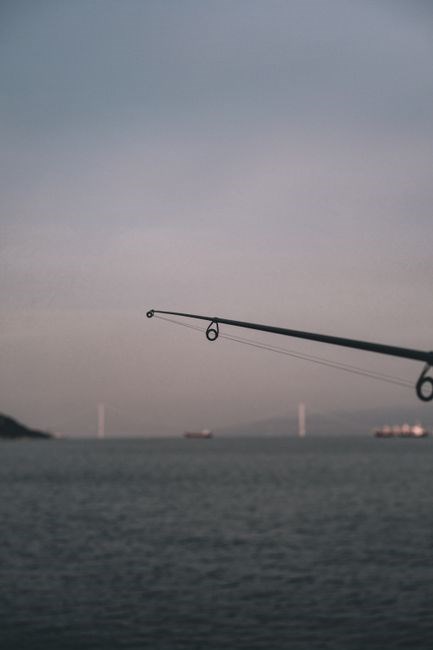
Future Trends in Sea Guides
Emerging materials like graphene‑reinforced composites and 316L stainless steel make guides lighter and stronger. Embedded sensors, GPS, and torque monitoring turn guides into smart devices, boosting safety and performance for anglers.
Innovations in Material Science
Recent breakthroughs in material science are reshaping sea guide design. Researchers are integrating graphene‑reinforced polymers that offer tensile strengths surpassing stainless and steel and remain lightweight. These composites reduce the overall weight of fishing and boat guides, enabling anglers to cast farther with less fatigue. In parallel, 316L stainless steel alloys are being alloyed with titanium and niobium to enhance corrosion resistance in saltwater environments. The resulting material exhibits a 30% increase in fatigue life, crucial for heavy‑duty applications. Additionally, ceramic‑filled elastomers are being used to create shock‑absorbing guide housings that dampen line vibration, improving casting accuracy. Nanostructured surface treatments, such as laser‑textured coatings, reduce biofouling and maintain low friction coefficients. These innovations collectively extend the lifespan of guides, lower maintenance costs, and open new possibilities for high‑performance fishing gear. As sustainability becomes paramount, biodegradable polymer blends are being tested for disposable guide components, promising a greener future for marine sports equipment.
Future designs will fuse nanotech, smart polymers, and green manufacturing, creating lighter, stronger guides that are more environmentally friendly, enhancing performance for water!!
Digital Integration and Smart Guides
Smart sea guides are emerging as a convergence of electronics, sensors, and traditional fishing hardware. Seaguide’s latest line incorporates micro‑sensors that monitor line tension, angle, and vibration in real time. These data points are transmitted via Bluetooth to a companion mobile app, allowing anglers to visualize casting dynamics on a touchscreen. The app uses machine learning to suggest optimal release points, reducing line tangles and improving accuracy. Additionally, the guides feature a low‑power, solar‑charged battery that powers the sensor array, ensuring continuous operation during long trips. The integration of RFID tags into the guide’s frame enables inventory tracking for professional fleets, while GPS modules can log cast locations for data analysis. The smart guides also support firmware updates over the air, allowing manufacturers to refine algorithms without replacing hardware. This digital ecosystem not only enhances performance but also provides a platform for community sharing of best practices, creating a connected network of anglers worldwide. The future of sea guides will see deeper integration with wearable devices, cloud analytics, and AI‑driven predictive maintenance, ensuring every cast is both precise and data‑rich. With these tools, anglers can chart routes, log metrics, and share, now turning outings into learning!
No Responses