
Kenmore 106.5 Washing Machine: A Comprehensive Guide
This guide offers detailed instructions, troubleshooting, and maintenance advice for your Kenmore 106.5 washing machine, ensuring optimal performance and longevity.
Understanding the Kenmore 106.5 Model
The Kenmore 106.5 washing machine, a popular choice for households, represents a blend of reliability and functionality. Often found in older homes, understanding its core mechanics is crucial for effective use and maintenance. This model typically features a traditional agitator design, offering robust cleaning power for everyday laundry needs.
Its controls are generally straightforward, utilizing dials and buttons for cycle selection and water temperature adjustments. While not boasting the smart features of modern machines, the 106.5 excels in simplicity and durability. Accessing a Kenmore 106.5 manual is highly recommended, as it provides specific details regarding cycle times, load capacities, and troubleshooting steps tailored to this particular model. Familiarizing yourself with the manual will maximize the machine’s lifespan and ensure optimal cleaning performance.
Identifying Key Features and Specifications
The Kenmore 106.5 washing machine generally features a capacity ranging from 3.5 to 4.3 cubic feet, accommodating standard family-sized loads. It typically operates on standard 120V electrical outlets, simplifying installation. Core features include multiple wash cycles – delicate, permanent press, and heavy-duty – alongside adjustable water temperature settings.
A central agitator provides powerful cleaning action, though it can be harsher on delicate fabrics. The Kenmore 106.5 manual details specific cycle times and water usage per load. Key specifications often include dimensions around 39” high, 27” wide, and 25” deep. Understanding these specifications is vital for proper placement and ensuring adequate ventilation. The manual also outlines the machine’s weight (approximately 150-170 lbs) for moving or servicing purposes.
Safety Precautions and Warnings
Always disconnect the power supply before any maintenance or cleaning, as detailed in the Kenmore 106.5 manual. Never operate the machine with a damaged power cord or if it has been exposed to water. Keep children and pets away during operation due to moving parts and potential electrical hazards.
Avoid reaching into the drum during operation; wait for the agitator to completely stop. Do not attempt to repair the machine yourself unless you are qualified; improper repairs can create safety risks. The manual explicitly warns against using flammable liquids near the washer. Ensure proper grounding to prevent electric shock. Never overload the machine, as this can cause damage and instability. Read all warnings in the manual before first use to ensure safe operation and prevent injury.
Installation and Setup
Carefully follow the Kenmore 106.5 manual’s instructions for proper placement, water line connections, and leveling to ensure optimal washer function.
Preparing the Laundry Area
Before installing your Kenmore 106.5 washing machine, meticulous preparation of the laundry area is crucial. The manual emphasizes a level, stable floor capable of supporting the washer’s weight, especially when fully loaded with wet laundry.
Ensure sufficient clearance around the machine for easy access for loading, unloading, and maintenance – typically at least one inch on each side and several inches behind for hose connections.
Verify the presence of properly grounded electrical outlets within reach of the power cord, avoiding extension cords. The area should also be dry and protected from extreme temperatures.
Inspect the floor for any potential obstructions or unevenness that might cause vibrations during operation. Addressing these issues beforehand will contribute to quieter, more efficient washing.
Connecting Water Supply Lines
The Kenmore 106.5 manual details a careful process for connecting the hot and cold water supply lines. Begin by shutting off the main water supply to prevent flooding. Identify the hot and cold water inlets on the washing machine, typically color-coded.
Attach the provided water hoses, ensuring rubber washers are correctly seated to prevent leaks. Hand-tighten the connections initially, then use pliers to gently tighten another half-turn.
Slowly turn on the main water supply and carefully inspect all connections for any signs of leakage. If leaks are detected, immediately shut off the water and re-tighten the connections.
Double-check that the hoses are not kinked or bent, as this can restrict water flow and affect washing performance. Proper connection is vital for efficient operation.
Leveling the Washing Machine
The Kenmore 106.5 manual emphasizes the importance of a level washing machine for optimal performance and to minimize vibration and noise. Use a spirit level to check the machine’s stability on the floor, both front-to-back and side-to-side.
Adjust the leveling legs, usually located at the bottom corners of the machine, by twisting them clockwise to raise the machine or counterclockwise to lower it.
Continue adjusting each leg until the bubble in the spirit level is centered, indicating a perfectly level position.
Once leveled, tighten the lock nuts against the washing machine’s base to secure the legs and prevent them from shifting during operation. A properly leveled machine ensures quiet and efficient washing cycles.
Operating Instructions
Follow the Kenmore 106.5 manual for proper loading, cycle selection, and detergent usage to achieve the best cleaning results and machine longevity.
Loading Laundry Properly
To maximize cleaning efficiency and prevent damage to your Kenmore 106.5 washing machine, proper loading techniques are crucial. Always distribute items loosely within the drum, avoiding tightly packed bundles. Overloading restricts movement, hindering effective washing and potentially straining the motor.
Separate laundry by fabric type, color, and soil level before loading. Place larger items, like sheets and towels, around the agitator (if applicable) to maintain balance. Smaller items, such as socks and delicates, should be placed inside a mesh laundry bag to prevent tangling and loss.
Never wrap items around the agitator, and avoid forcing large or bulky items into the machine. Refer to the Kenmore 106.5 manual for specific load capacity guidelines based on the selected wash cycle. Following these guidelines will ensure optimal performance and extend the life of your appliance.
Selecting Wash Cycles
The Kenmore 106.5 washing machine offers a variety of wash cycles designed to accommodate different fabric types and soil levels. Carefully review the cycle options outlined in your Kenmore 106.5 manual to ensure optimal cleaning and fabric care. Common cycles include Normal/Regular for everyday laundry, Delicate for fragile items, and Heavy Duty for heavily soiled loads.
A Quick Wash cycle provides a faster cleaning option for lightly soiled items, while a Bulky Items cycle is ideal for bedding and comforters. Permanent Press minimizes wrinkles in synthetic fabrics. Always consult the garment care label before selecting a cycle.
Understanding the water temperature and spin speed associated with each cycle is also essential for achieving the best results and preventing damage to your clothes. Experiment to find the settings that work best for your laundry needs.
Using Detergent and Additives
Proper detergent usage is crucial for effective cleaning and preventing residue buildup in your Kenmore 106.5 washing machine. Refer to your Kenmore 106.5 manual for recommended detergent types and amounts, as excessive detergent can lead to performance issues. Use only High Efficiency (HE) detergents, as standard detergents produce too many suds.
The manual details where to add detergent – typically a designated dispenser drawer. Fabric softener and bleach also have separate compartments; never mix these directly with detergent.
Always follow the manufacturer’s instructions on detergent packaging. Adjust the amount based on load size and soil level. Avoid overfilling the dispensers. Regularly clean the dispenser drawer to prevent clogs and ensure proper dispensing of additives.
Troubleshooting Common Issues
This section provides solutions for typical problems with your Kenmore 106.5, like failure to start, leaks, or excessive noise, based on the manual.
Machine Won’t Start
If your Kenmore 106.5 washing machine fails to power on, begin by verifying the power cord is securely plugged into a functioning electrical outlet. Test the outlet with another appliance to confirm it’s delivering power. Next, check the circuit breaker or fuse box; a tripped breaker or blown fuse will prevent operation. Ensure the washing machine’s lid switch is properly engaged – the machine won’t start if the lid isn’t fully closed.
Also, examine the control panel for any error codes displayed, referencing your owner’s manual for specific interpretations. A faulty motor, control board, or lid switch can also cause a no-start condition, potentially requiring professional repair. Finally, confirm the water supply valves are fully open, as some models have safety features preventing operation without adequate water pressure.
Leaking Water
Water leaks from your Kenmore 106.5 washing machine can stem from several sources. First, inspect the water supply hoses connected to the machine, ensuring they are tightly secured and free from cracks or damage. Check the drain hose connection to the drainpipe, verifying a snug fit and no obstructions. Examine the door boot (if applicable) for tears or debris preventing a proper seal.
Internal leaks might indicate a faulty water inlet valve, pump, or tub seal. Look for water pooling beneath the machine to help pinpoint the leak’s origin. Overloading the washer can also contribute to leaks, as can using excessive detergent. If you suspect an internal component failure, it’s best to consult a qualified appliance repair technician for diagnosis and repair.
Noisy Operation
Unusual noises during operation of your Kenmore 106.5 washing machine often signal a mechanical issue. A banging sound during the spin cycle could indicate an unbalanced load; redistribute items evenly within the drum. Grinding noises might suggest foreign objects – coins, buttons, or bra wires – trapped between the inner and outer tubs. Carefully inspect the drum and pump filter for obstructions.
Whining or squealing sounds could point to worn-out bearings or a failing pump motor. A clicking noise during water filling may indicate a problem with the water inlet valve. If the noise persists after checking for common causes, it’s advisable to contact a professional appliance repair service for a thorough inspection and potential component replacement.
Maintenance and Care
Regular cleaning and upkeep are crucial for extending the life of your Kenmore 106.5 washing machine and maintaining peak efficiency.
Cleaning the Washer Drum
Maintaining a clean washer drum is essential for preventing odors and ensuring optimal cleaning performance with your Kenmore 106;5. Residue from detergents, fabric softeners, and mineral buildup can accumulate over time, fostering mildew and impacting wash results. To clean the drum, run an empty hot water cycle with a cup of white vinegar or a commercially available washing machine cleaner.
Ensure the machine is empty of all clothing before initiating this cleaning cycle. For stubborn buildup, consider repeating the process or allowing the vinegar solution to soak within the drum for several hours before running the cycle. After the cycle completes, wipe down the interior of the drum with a clean, damp cloth to remove any remaining residue. Regular drum cleaning, ideally monthly, will keep your Kenmore 106.5 functioning at its best.
Cleaning the Detergent Dispenser
A clean detergent dispenser is crucial for proper detergent distribution and preventing clogs in your Kenmore 106.5 washing machine. Over time, detergent and fabric softener can solidify within the dispenser, hindering its function and potentially causing residue on your clothes. To clean, remove the dispenser drawer (consult your manual for specific removal instructions).
Soak the drawer in warm, soapy water for approximately 30 minutes to loosen any buildup. Use a soft brush or cloth to scrub away remaining residue from all compartments. Rinse thoroughly with clean water, ensuring no soap remains. Inspect the dispenser housing within the machine and remove any visible debris. Reinsert the clean, dry drawer securely. Regular cleaning, every few months, will maintain optimal dispenser performance.
Checking and Cleaning Filters
Maintaining clean filters is essential for your Kenmore 106.5 washing machine’s efficiency and preventing drainage issues. The machine likely has a lint filter and potentially a drain pump filter. Consult your owner’s manual to locate these filters precisely. Typically, the lint filter is accessible after each wash, removing accumulated lint and debris.
The drain pump filter, requiring less frequent cleaning (every 6 months is a good guideline), prevents small objects from damaging the pump. Before accessing the drain pump filter, ensure the machine is unplugged and any remaining water is drained. Carefully remove and clean the filter, removing any obstructions like coins or buttons. Reinstall securely before resuming operation. Regular filter maintenance extends the life of your appliance.
Advanced Features & Settings
Explore specialized wash options, temperature controls, and spin speeds on your Kenmore 106.5, customizing cycles for optimal fabric care and cleaning results.
Understanding Water Temperature Options
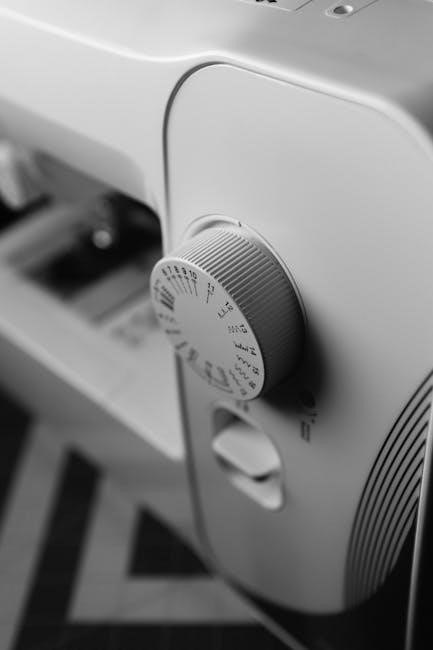
The Kenmore 106.5 washing machine provides a range of water temperature settings to cater to diverse fabric types and cleaning needs. Selecting the appropriate temperature is crucial for effective stain removal and preventing damage to your clothes.
Cold water is ideal for delicate fabrics, bright colors, and lightly soiled items, minimizing fading and shrinking. Warm water offers a balance between cleaning power and fabric protection, suitable for everyday laundry. Hot water is most effective for heavily soiled items, whites, and sanitizing loads, but can cause some fabrics to shrink or fade.
Always refer to the garment care label for specific temperature recommendations. Utilizing the correct water temperature not only enhances cleaning performance but also extends the lifespan of your clothing. Experimenting with different settings can help you achieve the best results for each load.
Spin Speed Control
The Kenmore 106.5 washing machine features adjustable spin speed settings, allowing you to customize the drying process based on fabric type and desired moisture level. Higher spin speeds extract more water, reducing drying time, but can cause more wrinkles and potential damage to delicate items.
Lower spin speeds are gentler on fabrics, minimizing wrinkles and preventing stretching, making them ideal for delicates, lingerie, and knitwear. A medium spin speed offers a balance between water extraction and fabric care, suitable for most everyday laundry.
Consider the fabric’s weight and construction when selecting a spin speed. Heavier items, like towels and jeans, can tolerate higher speeds, while lighter items require gentler handling. Proper spin speed selection optimizes drying efficiency and protects your clothes.
Delay Start Function
The Kenmore 106.5 washing machine incorporates a convenient Delay Start function, enabling you to schedule laundry cycles to begin at a later time. This feature is particularly useful for taking advantage of off-peak energy rates or ensuring laundry is finished when you return home.
To utilize the Delay Start, first select your desired wash cycle, water temperature, and spin speed. Then, press the Delay Start button and use the control panel to specify the desired delay time, typically in hours.
The machine will automatically begin the cycle at the programmed time. Ensure the water supply is connected and detergent is added before setting the delay. This function provides flexibility and convenience, allowing you to manage your laundry schedule efficiently.
Parts Diagram and Replacement
Locate exploded views detailing Kenmore 106.5 components, aiding in identifying necessary replacements for DIY repairs or professional servicing of your appliance.
Locating Common Replacement Parts
Identifying frequently replaced parts for your Kenmore 106.5 washing machine is the first step towards successful repair. Common components needing replacement include the water inlet valve, often causing issues with water filling, and the drain pump, responsible for expelling water after each cycle.
The lid switch, crucial for safety, frequently fails, preventing the machine from starting. Belts can wear out, leading to a lack of drum rotation, and motor couplings often break, causing similar symptoms. Furthermore, the timer knob or electronic control board may require replacement if cycles aren’t functioning correctly.
Many online retailers specialize in appliance parts, offering detailed diagrams and part numbers specific to the Kenmore 106.5 model. Local appliance repair shops can also source these parts, providing expert advice and assistance in identifying the correct component for your needs.
Ordering Replacement Parts Online
When ordering Kenmore 106.5 washing machine parts online, accuracy is paramount. Begin by verifying the model number – crucial for ensuring compatibility. Reputable online appliance parts retailers, such as AppliancePartsPros, RepairClinic, and Sears PartsDirect, offer extensive catalogs with detailed diagrams.
Always cross-reference the part number with your machine’s specific model. Utilize the retailer’s search function, entering keywords like “Kenmore 106.5 water inlet valve” or “Kenmore 106.5 lid switch.” Carefully review product descriptions and customer reviews before finalizing your purchase.
Pay attention to shipping costs and return policies. Secure websites (HTTPS) are essential for protecting your financial information. Keep a record of your order confirmation and tracking number for easy reference.
DIY Repair Considerations
Attempting DIY repairs on your Kenmore 106.5 washing machine can save money, but requires caution and a realistic assessment of your skills. Always disconnect the power supply before starting any repair work. Gather necessary tools – screwdrivers, pliers, and a multimeter are often essential.
Consult online resources like repair manuals and YouTube tutorials specifically for the Kenmore 106.5 model. Document disassembly with photos to aid reassembly. If a repair seems overly complex or involves electrical components you’re unfamiliar with, it’s best to consult a qualified appliance technician.
Prioritize safety; improper repairs can create hazards. Be mindful of potential water leaks and sharp edges. If unsure, professional assistance is always the recommended course of action.
No Responses