
True Temp Control Manual: A Comprehensive Guide

This guide details True Temp Control systems‚ offering installation‚ operation‚ maintenance‚ and troubleshooting – all available as a 22-page PDF.
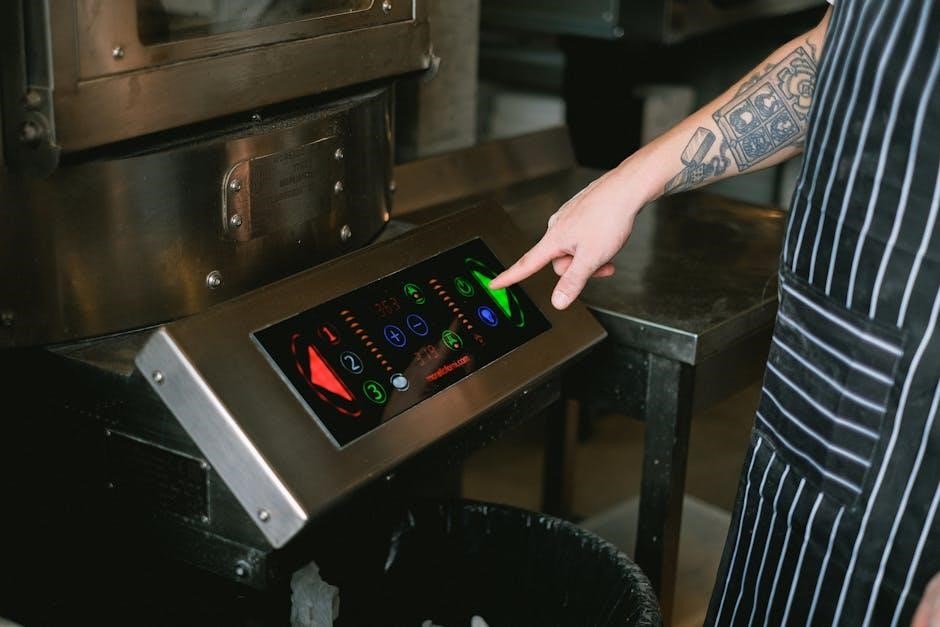
True Temp Control Systems represent a significant advancement in refrigeration technology‚ designed for precise and reliable temperature management. These systems‚ detailed within the comprehensive manual‚ are integral to maintaining optimal conditions for various applications. The manual provides a deep dive into the functionality of the Advanced Electronic Control (AEC)‚ the core of these systems.
AEC offers enhanced options and features a state-of-the-art color touch screen interface. Understanding these controls is crucial for effective operation and maintenance. The system’s design prioritizes longevity and reliability‚ ensuring consistent performance. This introduction sets the stage for a thorough exploration of the system’s capabilities‚ from initial setup to advanced troubleshooting techniques.

Understanding the AEC (Advanced Electronic Control)
The Advanced Electronic Control (AEC) is the brains behind True Temp refrigeration systems‚ offering a sophisticated level of control and monitoring. This latest innovation boasts increased operational options and utilizes a modern 5 PLC color touch screen for intuitive interaction. The AEC isn’t just about setting temperatures; it’s about intelligent control.
Key to its functionality are predictive maintenance features and Pressure Adaptive Technology‚ leveraging analog pressure transducers for optimized performance. The AEC simplifies diagnostics and ensures consistent temperature stability. Mastering the AEC is fundamental to maximizing the efficiency and lifespan of your True refrigeration equipment‚ as detailed in the provided manual.
Key Features of the True Temp Control System
True Temp Control Systems are engineered for precision and reliability‚ offering several standout features. Central to this is the AEC (Advanced Electronic Control)‚ featuring a user-friendly 5 PLC color touch screen interface. Pressure Adaptive Technology optimizes performance by responding to varying conditions.
Furthermore‚ the system incorporates predictive maintenance capabilities‚ proactively identifying potential issues before they escalate. These controls ensure consistent temperatures‚ extending equipment life and reducing energy consumption. Access to detailed information‚ including cut-in and cut-out temperatures‚ is readily available through the comprehensive manual and online resources.

Pressure Adaptive Technology
Pressure Adaptive Technology represents a significant advancement in True Temp Control Systems. Utilizing analog pressure transducers‚ this intelligent feature dynamically adjusts system operation based on ambient pressure and load conditions. This ensures optimal cooling performance‚ even with fluctuating demands or varying environmental factors.
By continuously monitoring and responding to pressure changes‚ the system maintains consistent temperatures and minimizes energy waste. This adaptive capability extends compressor life and enhances overall system efficiency. The technology is a core component of the AEC‚ contributing to the system’s predictive maintenance and reliable operation.
Predictive Maintenance Capabilities
True Temp Control Systems‚ featuring the AEC‚ boast advanced predictive maintenance capabilities. These features proactively monitor system performance‚ identifying potential issues before they lead to downtime. This is achieved through continuous data analysis and intelligent algorithms embedded within the control system.
The system can alert users to developing problems‚ allowing for scheduled maintenance and minimizing costly repairs. This proactive approach extends equipment lifespan and ensures consistent‚ reliable operation. Utilizing the color touch screen‚ technicians can easily access diagnostic information and track system health‚ optimizing maintenance schedules and reducing overall operational costs.
Installation and Initial Setup
Proper installation is crucial for optimal True Temp Control System performance. This process requires adherence to detailed wiring diagrams and connection specifications outlined in the accompanying documentation. Before powering up‚ verify all connections are secure and correct‚ referencing the relevant service manuals for your specific model.
Initial setup involves configuring the control panel to match the appliance’s requirements. This includes setting appropriate temperature parameters and verifying correct operation of all components. Always consult the Temperature Control Adjustment – Cabinet Sequence of Operation Manual for specific guidance and alarm code information.
Wiring Diagrams and Connections
Accurate wiring is paramount for safe and effective operation of the True Temp Control System. Detailed wiring diagrams are essential‚ illustrating the correct connections for power‚ sensors‚ and the control panel itself. These diagrams are found within the comprehensive service manuals provided by True Manufacturing.
Connections must be secure and properly insulated to prevent electrical hazards. Ensure all wiring complies with local electrical codes. Incorrect wiring can lead to system malfunction‚ damage to components‚ or even safety risks. Refer to the Temperature Control Adjustment manual for specific model configurations.
Initial Power-Up and Configuration
Upon initial power-up‚ the True Temp Control system undergoes a self-diagnostic check. Observe the touch screen interface for any error messages. Configuration involves setting key parameters like temperature units (°F or °C) and potentially communication protocols.
Carefully review the AEC settings to align with the specific refrigeration application. The color touch screen provides intuitive navigation for these adjustments. Ensure proper date and time settings for accurate logging of events. Refer to the manual for detailed step-by-step instructions to avoid incorrect configurations.
Operating the Control Panel
The control panel‚ featuring a state-of-the-art PLC color touch screen‚ is the central hub for managing the True Temp Control system. It allows for monitoring temperatures‚ adjusting settings‚ and acknowledging alarms. Navigating the interface is designed to be intuitive‚ providing clear displays of operational status.
Users can access critical data‚ including cut-in and cut-out temperatures‚ and utilize the system’s predictive maintenance capabilities. Familiarize yourself with the panel’s layout and functions to ensure efficient operation and quick response to any system events.
Navigating the Touch Screen Interface
The intuitive touch screen provides easy access to all True Temp Control functions. Users can seamlessly switch between displays showing current temperatures‚ alarm status‚ and configuration options. Key features are logically organized for quick access‚ minimizing operational complexity.
Explore the menus to adjust temperature parameters and view historical data. The interface supports touch-based commands‚ allowing for precise control and efficient system management. Refer to the online manual for detailed explanations of each screen and its associated functions‚ maximizing usability.
Setting Temperature Parameters
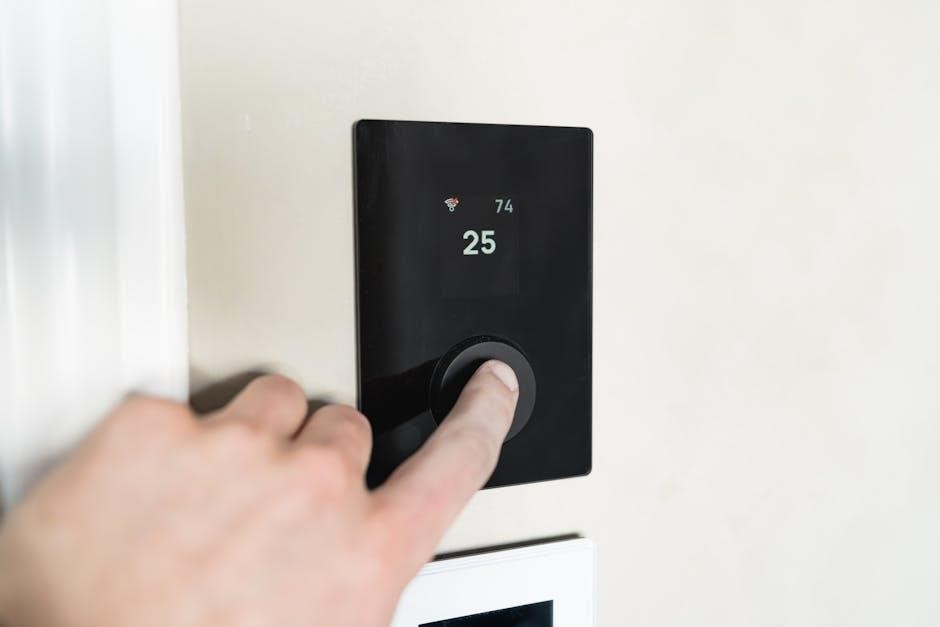
Precisely define your desired operating conditions through the temperature parameter settings. Access these settings via the touch screen interface‚ allowing for adjustments to both setpoint and differential. Understanding cut-in and cut-out temperatures is crucial for optimal performance and energy efficiency;
Consult the “Temperature Control Adjustment – Sequence of Operation Manual” for cabinet-specific guidelines; Carefully input values based on your application‚ ensuring accurate temperature maintenance. Incorrect settings can impact product preservation and system longevity‚ so proceed with diligence.
Temperature Control Adjustment & Sequence of Operation
Proper adjustment of temperature controls is vital for consistent performance. Refer to the “Temperature Control Adjustment – Sequence of Operation Manual” available on True Manufacturing’s website for detailed instructions specific to your cabinet model. This resource outlines the operational logic‚ explaining how the system responds to temperature changes.
Understanding the sequence – from compressor activation to temperature stabilization – ensures effective troubleshooting and optimization. Adjust settings carefully‚ considering product requirements and energy conservation. Incorrect adjustments can lead to temperature fluctuations or inefficient operation.
Cut-In and Cut-Out Temperature Settings
Determining cut-in and cut-out points is crucial for optimal refrigeration. The cut-out point is observed when the evaporator temperature rapidly decreases‚ indicating compressor shutdown. Conversely‚ the cut-in point signifies compressor activation as temperatures rise.
Manufacturer part numbers correlate with specific temperature ranges; consult documentation for precise values. Referencing the appliance’s specific “Temperature Control Adjustment – Cabinet Sequence of Operation Manual” is essential for accurate settings. These settings ensure consistent temperature maintenance and prevent product spoilage‚ optimizing performance and efficiency.
Understanding Alarm Codes
True Temp Control systems utilize alarm codes to signal malfunctions or deviations from optimal operating parameters. These codes provide valuable diagnostic information‚ enabling swift identification of issues. For specific alarm code definitions‚ always consult the “Temperature Control Adjustment – Cabinet Sequence of Operation Manual”.
This manual details each code’s meaning and recommended corrective actions. Ignoring alarm codes can lead to system inefficiencies‚ product spoilage‚ or even component failure. Promptly addressing alarms ensures continued reliable performance and extends the lifespan of your refrigeration equipment.
Troubleshooting Common Issues
Effective troubleshooting of True Temp Control systems requires a systematic approach. Common problems include a compressor that won’t run‚ fluctuating temperatures‚ and control panel errors. Begin by verifying power supply and wiring connections. Observe the evaporator temperature; a rapid decrease indicates the control’s cut-out point.
Refer to the manual for specific diagnostic steps related to each issue. Utilize alarm codes as a starting point for identifying the root cause. Remember‚ proper maintenance and regular cleaning can prevent many common problems‚ ensuring optimal system performance and longevity.
Compressor Not Running
If the compressor fails to run‚ first verify the power supply to the unit and check for tripped breakers. Inspect wiring connections for looseness or damage. Confirm the control panel isn’t displaying any error codes related to compressor operation. Check the cut-in temperature setting; the temperature must be above this point for the compressor to activate.
A faulty start relay or capacitor can also prevent compressor start-up. Consult the wiring diagrams in the manual for testing procedures. If issues persist‚ professional service may be required to diagnose and repair the compressor or related components.
Temperature Fluctuations
Experiencing temperature swings? Begin by checking the door seals for proper closure‚ ensuring minimal air exchange. Verify the condenser coils are clean and free of obstructions‚ allowing for efficient heat dissipation. Confirm the evaporator fan motor is functioning correctly‚ circulating air within the cabinet.
Pressure Adaptive Technology should be considered; ensure proper calibration. Review the cut-in and cut-out temperature settings‚ referencing the cabinet’s specific Sequence of Operation manual. Significant fluctuations may indicate a failing temperature sensor or control board‚ requiring professional diagnosis.
Control Panel Errors
Encountering errors on the touch screen? First‚ consult the alarm code list within the Temperature Control Adjustment – Cabinet Sequence of Operation Manual‚ accessible online. Note the specific code and its corresponding description for initial troubleshooting steps. Power cycle the unit to see if the error clears; a temporary glitch may be the cause.
Persistent errors often indicate a component failure – potentially the sensor‚ control board‚ or wiring. Refer to wiring diagrams for connection verification. If unresolved‚ contact True Manufacturing service for expert assistance and potential component replacement.
Maintenance and Cleaning
Regular maintenance ensures optimal performance and longevity of your True Temp Control system. Follow the recommended schedule for inspections and preventative measures. Cleaning the control panel requires a damp‚ non-abrasive cloth – avoid harsh chemicals or excessive moisture. Inspect wiring connections periodically for tightness and corrosion.
Proactive maintenance‚ including filter checks and coil cleaning‚ contributes to energy efficiency. Document all maintenance activities for tracking and future reference. Refer to the full manual for detailed procedures and safety precautions.
Recommended Maintenance Schedule
Routine inspections are crucial; check temperature accuracy monthly and alarm functionality quarterly. Clean condenser coils every six months to maintain efficiency. Inspect fan motors annually for proper operation and lubrication needs. Verify wiring connections are secure and free from corrosion during each inspection.
Document all maintenance performed‚ including dates and actions taken. Replace air filters as needed‚ based on operating conditions. Consult the full manual for a comprehensive schedule tailored to your specific model and usage.
Cleaning the Control Panel
Disconnect power before cleaning the touch screen interface. Use a soft‚ damp cloth with mild detergent to gently wipe the surface. Avoid abrasive cleaners or solvents‚ as they can damage the screen. Ensure no liquid enters the control panel’s internal components.
Dry the panel thoroughly with a clean‚ lint-free cloth. Regular cleaning prevents dust and grime buildup‚ maintaining optimal visibility and responsiveness. Inspect the area around the panel for any obstructions and address them promptly.
Resources and Documentation
Comprehensive documentation for the True Temp Control system is readily available. Access the full online manual as a 22-page PDF‚ weighing 4.88 MB‚ for detailed guidance. Explore True Manufacturing’s service manuals for in-depth technical information.
Find specific cabinet sequence of operation details and alarm code explanations in the Temperature Control Adjustment manual‚ accessible at True Manufacturing’s website. Utilize the provided QR code for quick access to these vital resources‚ ensuring efficient troubleshooting and maintenance.
Accessing the Online Manual (PDF)
The complete True Temp Control manual is conveniently available for download in PDF format. This digital resource provides a comprehensive guide to system installation‚ operation‚ and maintenance procedures. The file is 22 pages in length and has a manageable file size of 4.88 MB‚ ensuring quick and easy access.
Users can readily view and print the manual for offline reference. This ensures technicians and operators have immediate access to critical information for diagnosing issues and performing routine maintenance on True refrigeration equipment.
True Manufacturing Service Manuals
True Manufacturing provides a wealth of service manuals‚ including resources specifically for temperature control systems. These manuals are designed to assist technicians in diagnosing and repairing refrigeration equipment efficiently. Accessing these resources ensures proper maintenance and extends the lifespan of True products.
Beyond the core True Temp Control manual‚ supplemental documents like the Temperature Control Adjustment – Cabinet Sequence of Operation Manual are available online. These offer detailed insights into alarm codes and operational sequences‚ enhancing troubleshooting capabilities. Visit the True Manufacturing website to explore the full library.
No Responses